Best DIY Lash Cluster Kits 2026: Get Salon Extensions Without the Price Tag
The best DIY lash cluster kits of 2026 compared on hold time, ease of use, and value. See why Pink Puree’s Bond and Seal method leads for beginners and pros alike.
What Is a DIY Lash Cluster Kit?
- What Is a DIY Lash Cluster Kit?
- What to Look for in a DIY Lash Cluster Kit
- Pink Puree Starter Kit: Best for Beginners
- How Long Do DIY Lash Cluster Kits Really Last?
- Application Tips for First-Time DIY Lash Kit Users
- The Manga Muse Collection: When You Want Something Different
- Making the Most of Your DIY Lash Kit Investment
DIY lash cluster kits have changed the economics of wearing lash extensions. Three years ago, getting extensions that looked natural enough to wear in daylight meant a salon chair, $150, and a 90-minute application. Now the same result is achievable at home in under 30 minutes, with a kit that costs $50 and lasts through multiple application cycles.
The category has exploded with options, and the quality range is wide. A diy lash cluster kit from a brand with a proper adhesive system holds for 5 to 7 days. A cheaper kit with a generic glue might last a day and a half before the corners start lifting. The difference comes down almost entirely to the adhesive — and to whether the brand has designed the kit as a complete system rather than just bagging some clusters with a tube of lash glue.
This guide covers what separates a good DIY lash cluster kit from a bad one, the key features to look for, and why Pink Puree’s Bond and Seal system is the current benchmark for beginner-to-advanced home application.
What Is a DIY Lash Cluster Kit?
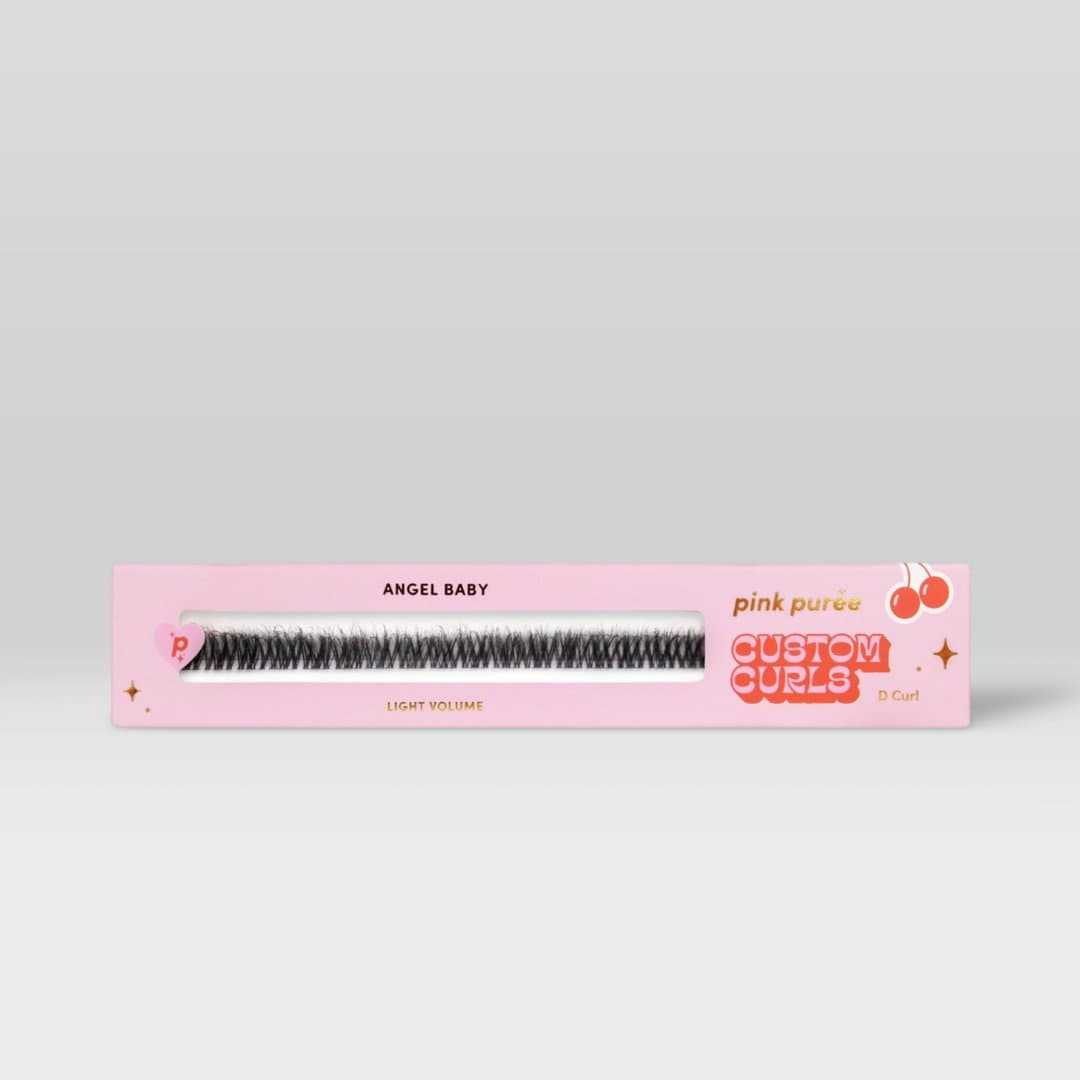
A lash cluster is a small group of lash fibers — typically 3 to 12 strands — bonded together at the base. Applied individually to the natural lash line, clusters mimic the look of professional lash extensions without the salon process.
A complete diy lash cluster kit includes:
– Lash clusters (usually 30 to 60 individual clusters across various lengths)
– Adhesive/bond system
– Application tweezers
– Remover (in better kits)
The cluster application method was pioneered by lash artists as an at-home alternative to classic individual lash extensions, which require professional training and are genuinely difficult to self-apply. Clusters are pre-made sections that can be placed using basic tweezers, making self-application achievable after 2 to 3 practice runs.
What to Look for in a DIY Lash Cluster Kit
Adhesive Quality: The Make-or-Break Factor
This is the most important component. Most DIY lash failures — clusters falling off in the shower, peeling at the corners on day 2 — trace back to adhesive quality.
What separates good adhesive:
– Flexible formula. The bond must flex with your natural lash line as you sleep, squint, and blink. A rigid bond cracks and releases at the corners within 2 to 3 days.
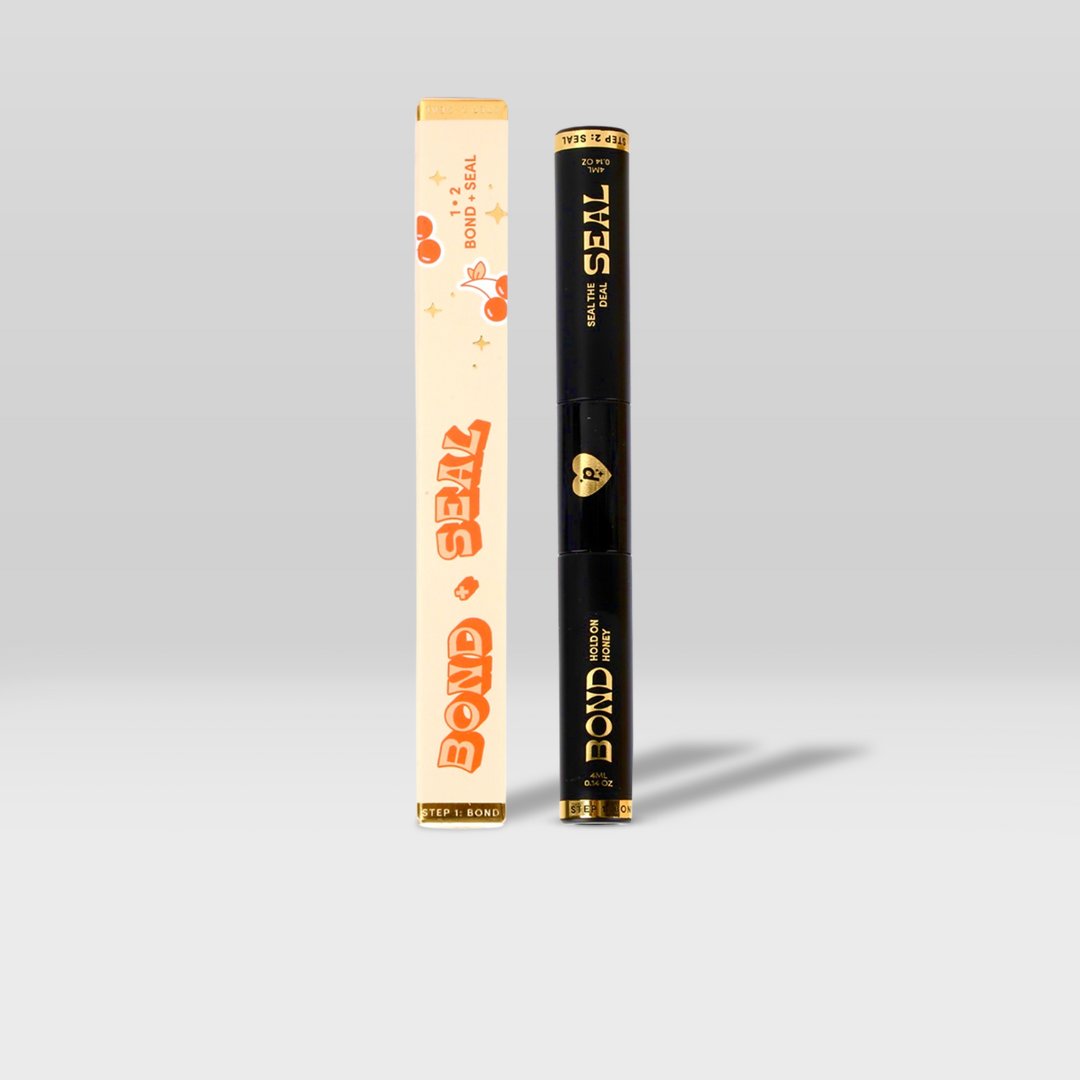
– A seal layer. Some brands separate the bond (adhesive) from a seal (protective top coat applied after placement). This two-step approach extends hold significantly. Look for kits where these are combined intelligently.
– Appropriate open time. A good adhesive has a brief window between application and when it becomes tacky — 5 to 10 seconds. Too fast and you can’t position clusters accurately. Too slow and the adhesive starts drying before you press the cluster in.
Cluster Fiber Quality
Lower-cost kits use synthetic fibers that have visible plasticity up close — they look unmistakably fake in daylight. Better cluster fibers are lightweight, tapered at the tip, and vary in density so the cluster blends with natural lashes rather than sitting on top of them.
Weight matters too. Heavier clusters drag natural lashes downward, causing them to weaken over time. Well-made clusters are light enough that you don’t feel them once they’re on.
Style Range
A useful kit offers at least 3 to 5 distinct cluster styles — short naturals for the inner corner, medium length for the center of the lash line, and longer styles for the outer corner. Single-style kits limit the result to one look and often produce an unnatural, uniform band that reads as obviously artificial.
Removal System
A dedicated remover is the difference between safe cluster removal and lash damage. The adhesive used in good cluster systems is strong enough that pulling clusters off dry will remove natural lashes with them. Proper remover dissolves the bond from the base, allowing clusters to slide off intact and ready for reuse.
Kits that don’t include a remover are either expecting you to buy one separately or were designed without lash health in mind.
Pink Puree Starter Kit: Best for Beginners
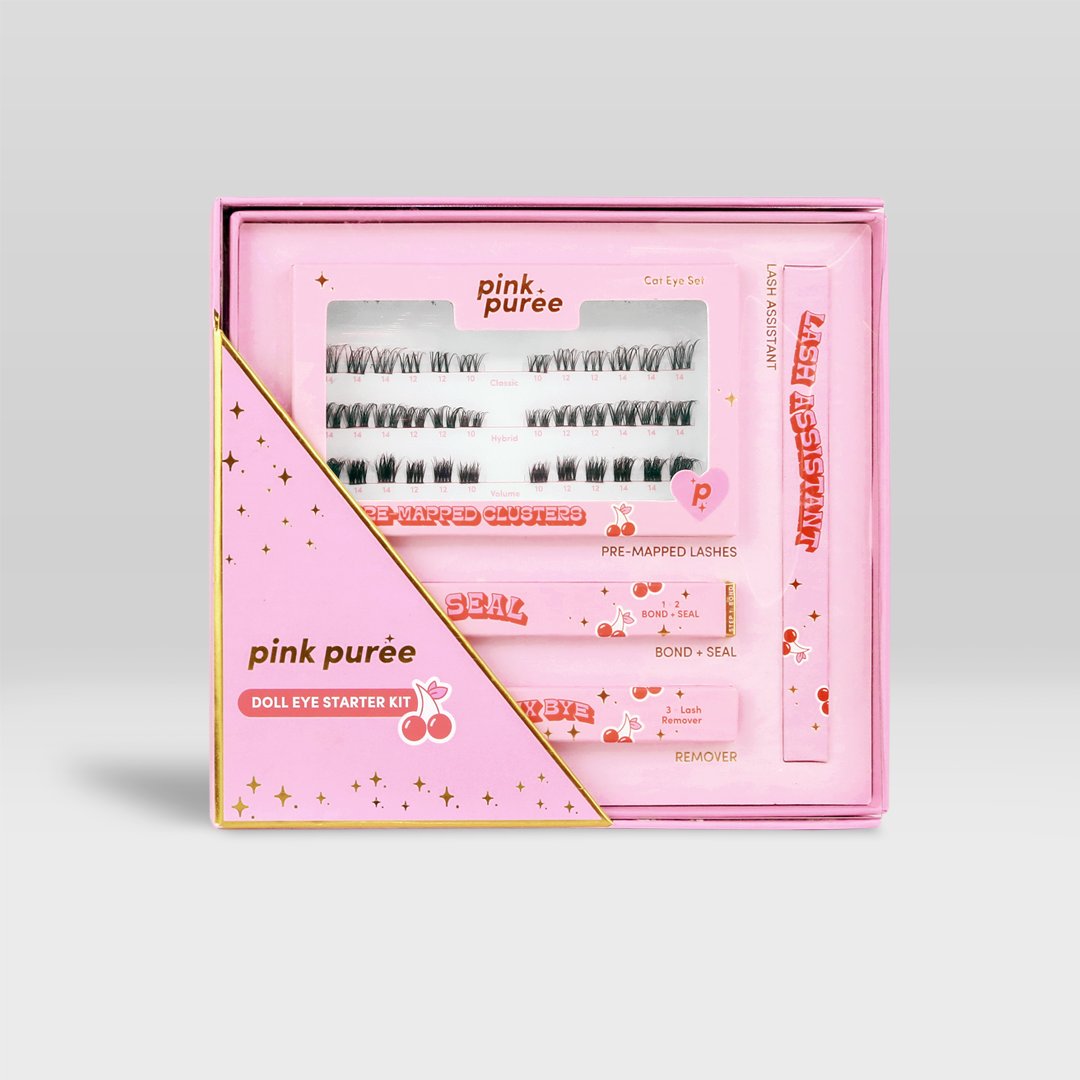
The Pink Puree DIY Lash Starter Kit ($50) is the top recommendation for anyone new to clusters, and it holds its position for experienced users who’ve tried other brands and come back to it.
What’s in it:
– 3 lash cluster styles of your choice (from a range of 8+ options)
– 2-in-1 Bond and Seal adhesive (111 reviews on standalone version)
– Kay Thnx Bye Remover
– Application tweezers
Why it leads the category:
The Bond and Seal system is genuinely differentiated. Most kit adhesives are single-formula: you apply it, press the cluster, that’s it. The Pink Puree approach layers a bond under the cluster base, then applies a flexible seal coat over the top once all clusters are placed. The seal acts as a protective membrane that holds the bond in place through humidity, sleep, and daily movement.
The practical result: clusters placed with the Bond and Seal system consistently last 5 to 7 days. Standard single-formula glues in competing kits average 2 to 4 days before corners start releasing. For a deeper look at how this holds up in real use, see our full Pink Puree review.
Cluster selection:
Pink Puree’s style range is one of the broadest in the DIY category. From the core lineup:
| Style | Look | Length |
|---|---|---|
| Angel Baby | Natural | Short-medium |
| Moonchild | Full everyday | Medium |
| Anime Love | Cat eye lift | Variable |
| Starry Eyes | Dramatic wispy | Long |
| Free Spirit | Textured | Mixed |
| Triple Threat | Maximum density | Medium-long |
| Play Date | No-makeup | Short |
| First Class | Glamour | Long uniform |
The multi-packs ($20 for Angel Baby, Moonchild, Starry Eyes — all with 50+ reviews) are better value for regular wearers. Each set is reusable 3 to 5 times.
Who it’s best for: First-time cluster users, people coming from strip lashes who want longer hold, anyone who wants a complete system without compatibility concerns between components.
How Long Do DIY Lash Cluster Kits Really Last?
The hold time claims in this category range from “1 day” to “up to 14 days,” and both extremes are technically possible depending on conditions. Here’s the honest breakdown for a quality system like Pink Puree’s:
With optimal conditions (oil-free skincare, sleeping on your back, no mascara): 6 to 7 days
With typical daily routine (some oil-based products, normal sleep position): 4 to 6 days
With heavy moisture exposure (swimming, heavy gym sessions, saunas): 2 to 4 days
The oil-free rule is the most impactful variable. Any oil-based product on the skin within 1 to 2 cm of the lash line — eye cream, oil cleanser, certain foundations — migrates toward the lash base and degrades the adhesive bond. This includes the natural oils your skin produces; very oily skin types will generally get shorter hold times regardless of product choice.
For maximum hold with a diy lash cluster kit:
- Clean the lash line with an oil-free micellar water before application
- Apply clusters to a completely dry lash line
- Use the seal coat generously over the cluster bases
- Avoid oil-based products near the eye for the entire wear period
- Sleep on your back when possible (side sleeping compresses outer-corner clusters)
Application Tips for First-Time DIY Lash Kit Users
Even with a quality kit, first-time application has a learning curve. For a full step-by-step walkthrough, see our Pink Puree lash cluster application guide.
Even with a quality kit, first-time application has a learning curve. These tips cut the error rate significantly:
Set up a good mirror situation before you start. A magnifying vanity mirror at eye level beats a standard bathroom mirror for cluster placement accuracy. You need to see the lash line clearly, not just the overall eye shape.
Lay out your clusters before you pick up the adhesive. Decide how many you’re using and in what positions. Grabbing and repositioning clusters mid-application while adhesive is drying speeds up the process and reduces mistakes.
Don’t rush the tacky stage. After applying the Bond, wait 8 to 10 seconds until it’s slightly tacky before placing a cluster. If you press a cluster into wet adhesive, it slides. If the adhesive is fully dry, the cluster won’t bond properly.
Start with the center of the lash line. The center section is easiest to see and place accurately. Work outward toward both corners rather than starting at an end.
Accept that the inner corner is hardest. The very inner corner of the eye has shorter natural lashes, a tighter angle, and less surface area for cluster placement. Use your smallest, shortest clusters here and expect it to look slightly less uniform than the rest of the line for the first few applications.
Clean up any visible adhesive immediately. If adhesive gets onto the skin of the eyelid rather than the lash base, use a clean cotton swab to remove it before it sets.
The Manga Muse Collection: When You Want Something Different
Worth mentioning for completeness: Pink Puree also offers strip lashes in their Manga Muse Collection — anime-inspired designs (Harajuku, Kawaii, Kira Kira) at $12.50 each, designed for editorial and event looks rather than daily wear.
These are not clusters. They’re traditional strip lashes with a distinctive aesthetic. If you want the cluster system for daily use and strip lashes for occasions, the Manga Muse line extends what Pink Puree offers without competing with the core cluster format.
Making the Most of Your DIY Lash Kit Investment
A $50 starter kit that lasts through 3 full application cycles costs $17 per application — plus ongoing cluster replacement costs of $14 to $20 per set, which cover 3 to 5 more cycles each.
For regular lash wearers:
– Salon extensions: $100 to $200 per application, every 3 to 4 weeks = $1,200 to $3,200 per year
– Strip lashes: $10 to $20 per pair, 1 to 3 uses per pair = $200 to $600 per year (for daily wear)
– DIY cluster system: $50 starter + $15/month restocking = $230 per year (with regular wear)
The financial case for learning a diy lash cluster kit is compelling for anyone who wears lashes more than twice a week. The cost comparison gets more extreme the more frequently you wear them.
The skill ceiling is low enough that most people are producing results they’re happy with by their third application — typically within the first two weeks of starting.
Recommended for you
 Best Ceramide Moisturizer Under $30: K-Beauty Picks That Outperform Luxury Brands
 Haruharu Wonder Review: The K-Beauty Brand That Strips Skincare Back to Basics
 Haruharu Wonder Ceramide Cream Review: K-Beauty’s Best $24 Pick?
 Best Men’s Hair Clay 2026: Which Formulas Actually Hold Without Crunch?
 Who Is Elijah Matt Clay: Is This Barber-Origin Formula Worth 28 Euros?
 Who Is Elijah Review: The Best Matt Clay and Cologne for Men 2026