Who Is Elijah Matt Clay: Is This Barber-Origin Formula Worth 28 Euros?
A deep-dive into Who Is Elijah Matt Clay: formula, hold strength, finish, longevity, and how it compares to other premium hair clays at the same price point.
What Is Hair Clay and Why It Differs From Other Styling Products
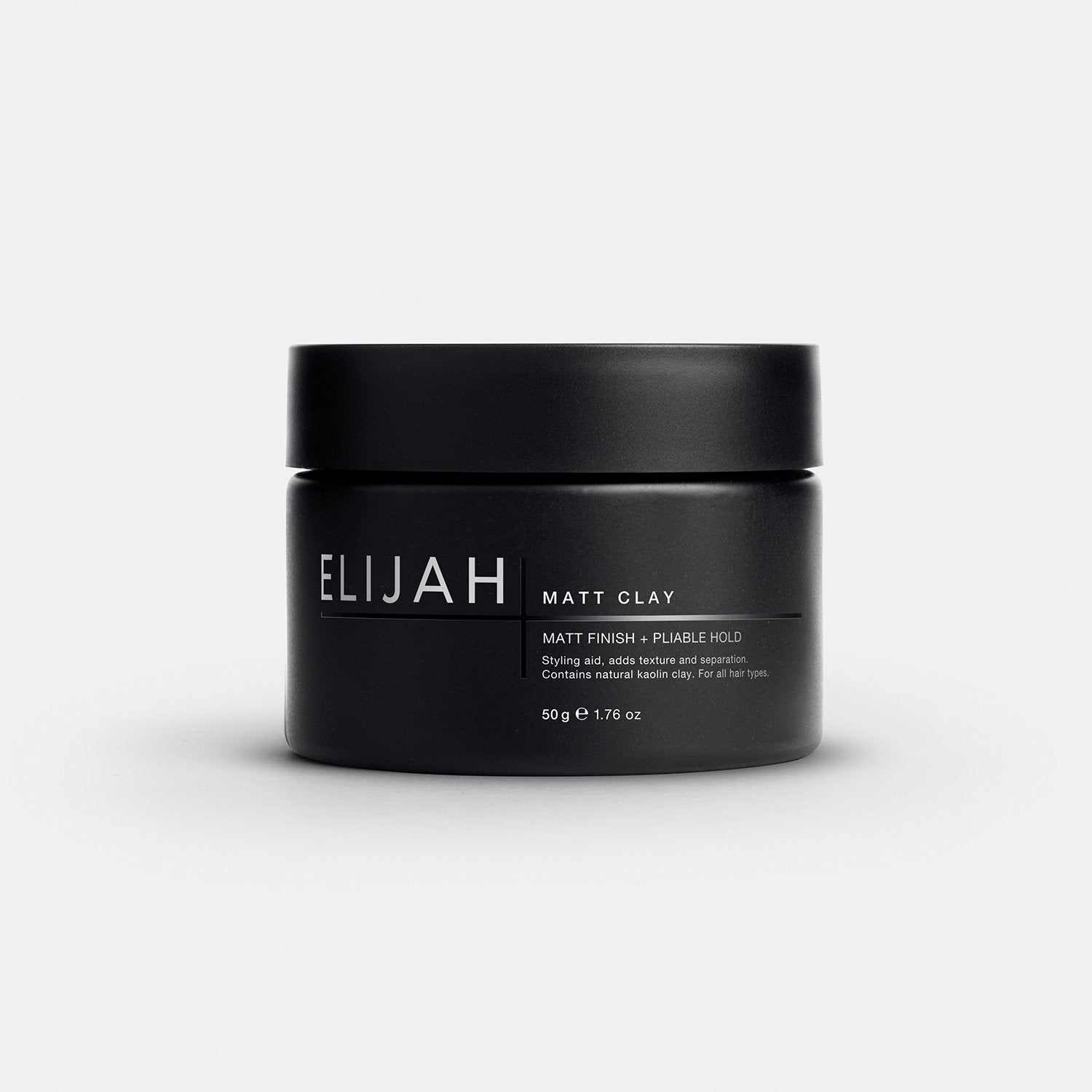
Hair clay occupies the center of the men’s styling market — versatile enough for most hair types and lengths, forgiving enough for non-stylists to use, and capable of looks that range from casual to polished depending on technique. Who Is Elijah Matt Clay has built a reputation as one of the best implementations of this format, particularly for the “natural matte look” end of the styling spectrum.
At €28 for 50g, it’s priced at the premium end of the clay category. This review covers what the formula actually does, how it compares to competitors at similar price points, and who this product works best for.
For the full brand overview, see the Who Is Elijah review. For the broader category comparison, see the best men’s hair clay guide.
What Is Hair Clay and Why It Differs From Other Styling Products
Before diving into the Who Is Elijah formula specifically, it’s worth establishing what makes clay different from the other major styling product categories:
Pomade — typically oil or water-based, high shine, strong hold. Slicks hair flat, creates the wet look. Traditional barber choice for classic styles. The downside: oil-based pomades build up, water-based pomades can feel stiff.
Wax — medium hold, medium to high shine. Similar to pomade but often with more workability. Tends toward a slightly tacky texture that some find uncomfortable.
Gel — strong hold, high shine (or high shine gel trying to go “matte” with mixed results). Sets the hair in place. Often crunchy when the formula dries.
Clay — derived from actual clay minerals (kaolin, bentonite) that absorb oil and give hair a matte, natural texture. The clay mineral content is what creates the matte finish without the need for setting agents. Hold is strong but flexible because the clay doesn’t create a film over the hair.
The specific advantage of clay over gel for matte looks: gel achieves “matte” by reducing shine additives while still using a setting formula. Clay achieves matte by the nature of its minerals — it absorbs oil and shine rather than suppressing it chemically. The result is a more natural, lived-in texture.
Matt Clay Formula and Performance
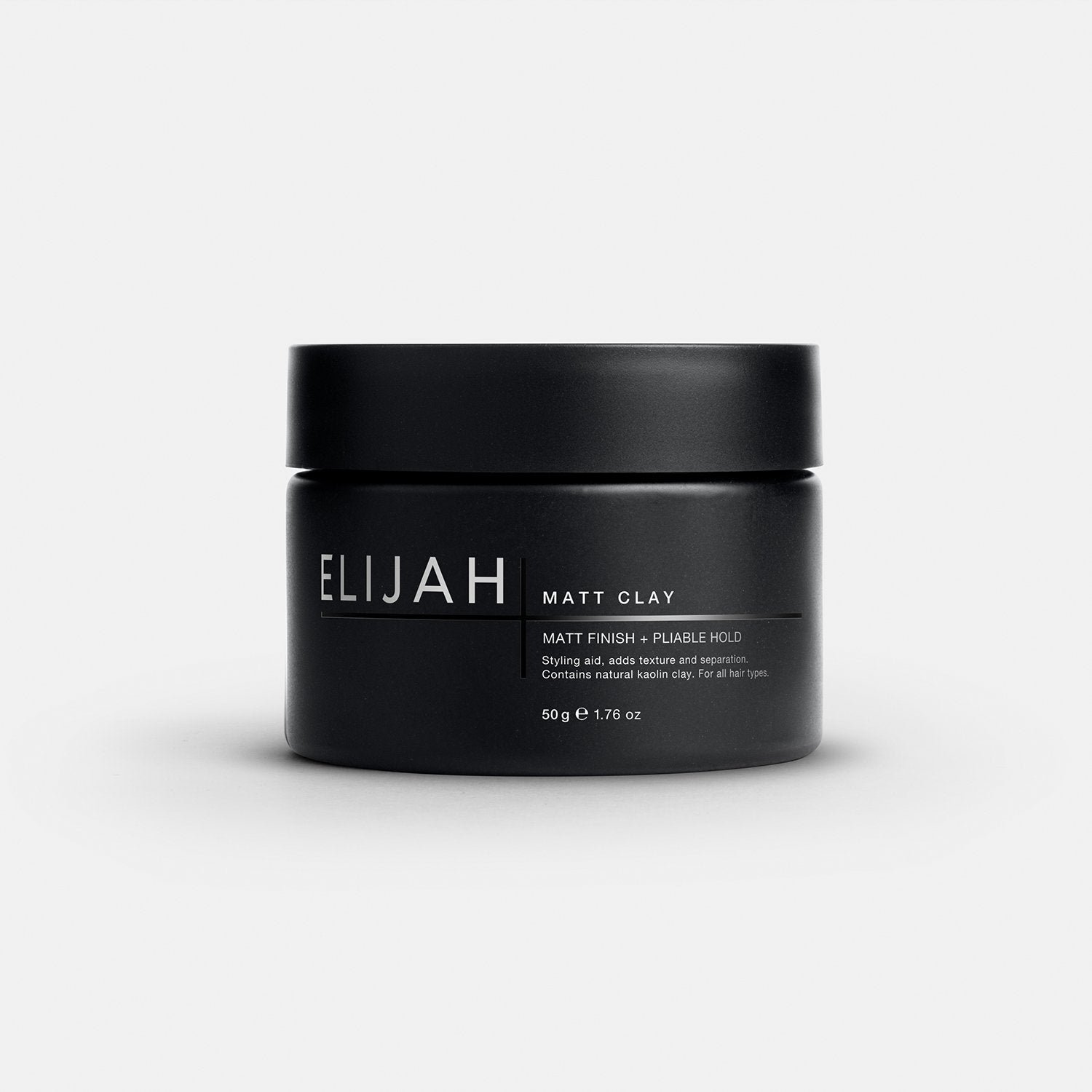
Who Is Elijah Matt Clay is described as “matt finish + pliable hold.” Breaking that down against actual performance:
Hold Strength
The hold is genuinely medium-strong — strong enough to keep a style in place through a full day of normal activity, not so strong that the hair feels stiff or can’t be re-worked with your hands midday.
For context: on a 1-10 hold scale, Matt Clay sits around 6 to 7. It’s not the right product for styles that need to hold in extreme conditions (heavy wind, physical activity) without restyling. For everyday office-to-evening use, the hold is more than sufficient.
Finish
The matte finish is genuine. No shine, no sheen — the hair looks completely natural after application. This is the product’s defining quality and where it consistently outperforms cheaper “matte” products that are actually just lower-shine versions of standard gel.
Texture and Feel
Applied to damp or dry hair, Matt Clay has a firm, waxy texture that breaks down quickly when warmed between the palms. It emulsifies smoothly and distributes evenly through hair without clumping. Once in the hair, the texture feels like nothing — no product residue, no heaviness, no stiffness.
This is the “barber origin” aspect most obvious in everyday use: a product developed for professional use gets worked through client hair dozens of times a day. A formula that drags, clumps, or feels product-y in the hair gets replaced quickly. Matt Clay has none of those issues.
Longevity
Hold lasts through a full day without significant dropout. At 8+ hours, the style may have softened slightly but hasn’t flattened or greased. This is good-to-excellent longevity for a non-setting formula.
Washout
Washes out cleanly with one standard shampoo. No buildup if used daily. This is the criterion that most men forget to check until they’ve been using a product for a month and their hair feels coated — Matt Clay doesn’t have this problem.
How to Use Who Is Elijah Matt Clay
On Damp Hair (for stronger hold)
- Towel dry hair to remove excess water (hair should feel damp, not wet)
- Take a small amount (about a pea-to-two-pea size for short to medium hair) and warm between palms until emulsified
- Work through hair from roots to ends, working against the natural growth direction initially to distribute product
- Style into desired shape with hands, then refine with a comb if needed
- Do not use a hairdryer — Matt Clay sets better air-dried or with minimal heat
On Dry Hair (for lighter, more natural hold)
- Take a slightly smaller amount than the damp-hair approach
- Warm between palms, work through hands, then apply with fingers
- This approach gives slightly less hold but a more natural-looking result — best for casual styles
Tips from Barbershops
- Less is more. Matt Clay is highly concentrated. Too much product is the primary cause of unexpected heaviness or uneven application. Start with less than you think you need; add if needed.
- Work from roots, not just tips. Most people apply styling product to the surface of their hair. Working product through to the roots first creates more consistent hold and better texture.
- Don’t re-wet and re-style. Unlike water-activated pomades, Matt Clay is designed to be restyled dry. If your style is off, re-work with your hands rather than wetting first.
How Matt Clay Compares to Semi Paste and Volume Powder
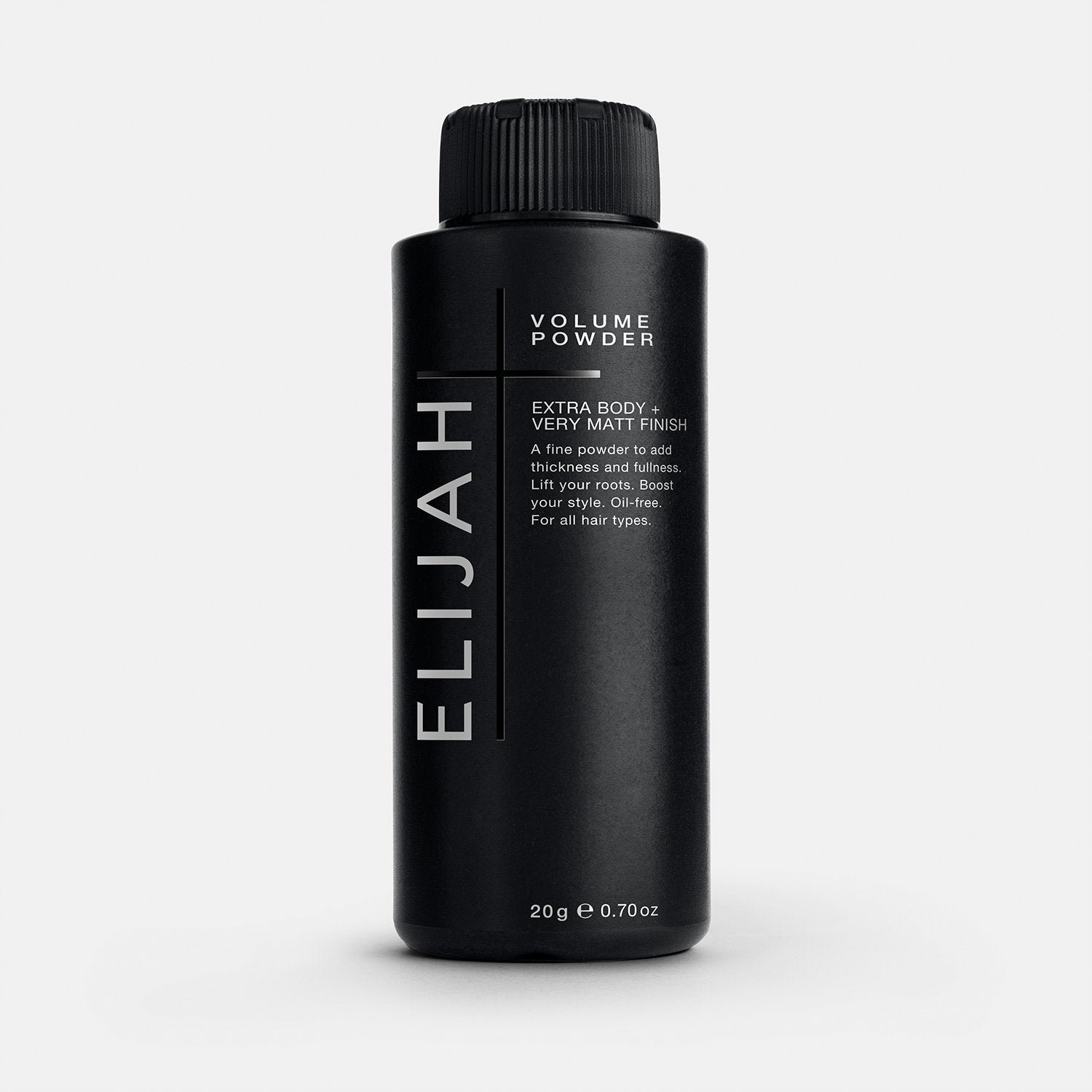
Who Is Elijah offers three styling products for different use cases. Understanding how they relate helps you decide which one (or combination) fits your routine:
| Product | Hold | Finish | Best For |
|---|---|---|---|
| Matt Clay | Medium-strong | True matte | Most styles; daily driver |
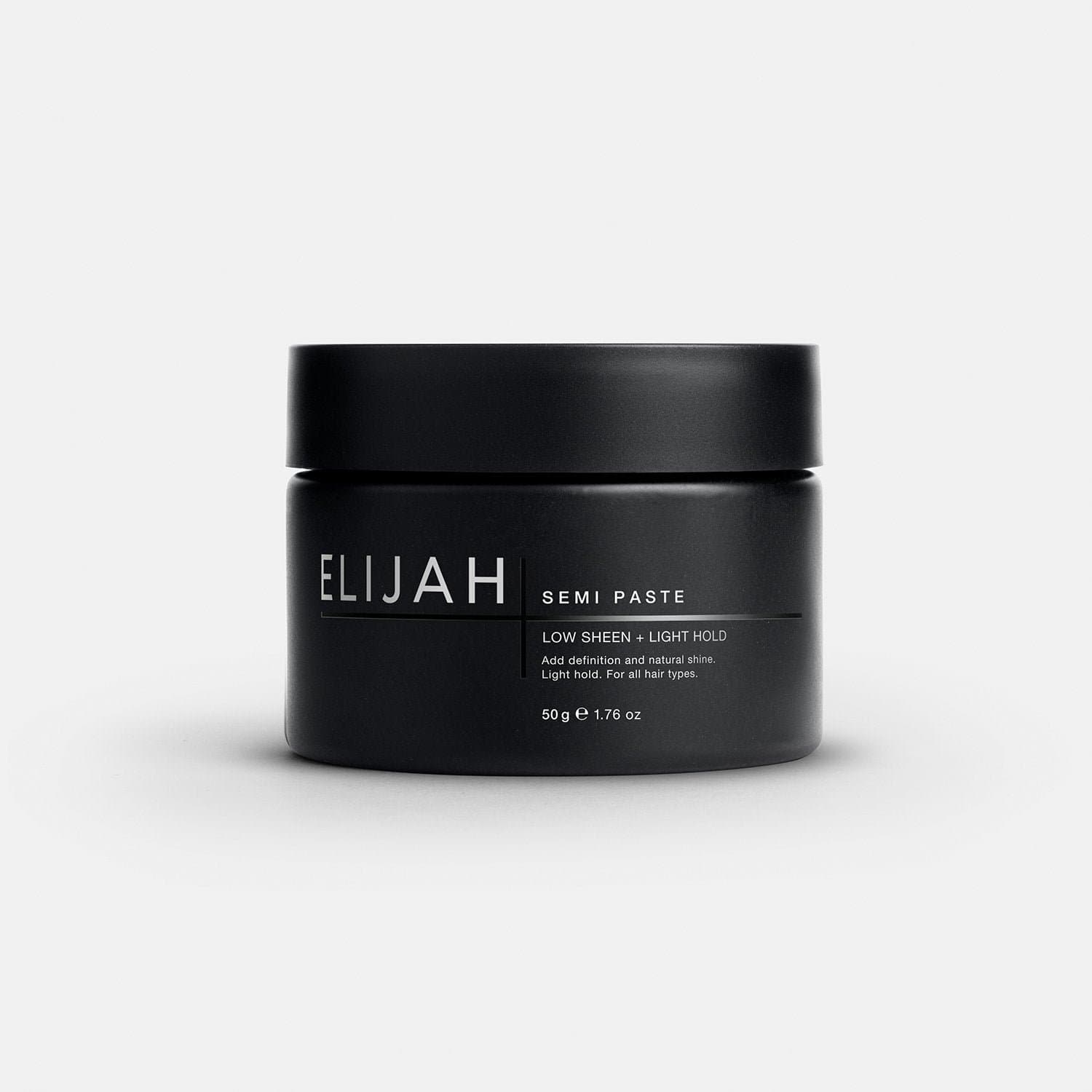
| Semi Paste | Light | Low sheen | Fine hair; loose styles; layering under clay |
| Volume Powder | Light-medium | Very matte | Fine hair; texture; lift |
Matt Clay vs. Semi Paste: If you want hold and a clean style, Matt Clay. If you want an effortless, undone look with almost no product weight, Semi Paste. Some men layer Semi Paste as a base and add a small amount of Matt Clay over the top for a medium-hold version of either finish.
Matt Clay vs. Volume Powder: Volume Powder is for fine hair or anyone who wants body and texture without any “wet” product weight. It’s applied to dry hair as a powder — completely different application process and feel from clay. Not an either/or choice; many men use Volume Powder first for lift and then add a small amount of Matt Clay for hold.
Who Is Elijah Matt Clay vs. Other Premium Clays
How does Matt Clay compare at its price point? There are a few direct competitors worth knowing:
American Crew Fiber (€15-20 for 100g): Fiber is similar in hold strength to Matt Clay but has a slightly tackier texture and slightly more shine. It’s significantly cheaper per gram. The finish quality isn’t as clean — experienced product users will notice the difference, casual users may not.
Baxter of California Clay Pomade (€25 for 60ml): Similar matte finish and hold profile. Slightly tackier than Who Is Elijah. More widely available in retail. Comparable quality at a marginally lower price per gram.
Layrite Supershine (€18-22 for 120g): Higher shine, not a direct competitor for matte styles. Mentioned because it demonstrates the price-per-gram gap: 120g for €20 vs. 50g for €28.
The Who Is Elijah advantage over all of these: the finish quality and non-crunchy texture is genuinely superior. If you care about having the clearest possible matte finish and the most natural feel, Matt Clay earns the premium. If price-per-gram is the primary criterion, American Crew Fiber or Baxter delivers comparable hold at lower cost.
The Right Hair Types for Matt Clay
Works well:
- Medium to thick hair — thick hair benefits most from the clay’s matte and hold properties; clay provides enough definition without weighing it down
- Short to medium length — fades, crops, textures, taper fades, quiffs, natural movement styles
- Wavy or coarse hair — clay works well with natural texture rather than trying to suppress it
Less ideal:
- Very fine or thin hair — clay at full application can weigh fine hair down slightly; if this is your hair type, use Volume Powder first, then very small amounts of Matt Clay for hold
- Very long hair — clay becomes difficult to distribute evenly in longer hair; for longer styles, Semi Paste or a cream formula works better
- Styles requiring high shine — Matt Clay will actively remove shine; if you want a polished, high-shine look, use a different product
Price and Value
At €28 for 50g, Who Is Elijah Matt Clay is in the upper quarter of men’s styling product pricing. For reference:
- Entry-level clays (Gatsby, Dax): €6 to €12 per 100g
- Mid-tier (American Crew, Layrite): €15 to €22 per 100g
- Premium (Who Is Elijah, Baxter, Uppercut Deluxe): €25 to €35 per 50g
The premium segment is where formula quality differences are most meaningful. The gap between entry-level and mid-tier is significant. The gap between mid-tier and premium is smaller — you’re paying for refinement in texture and finish rather than a fundamental formula improvement.
Whether that refinement is worth €28 depends on how much you care about the quality of your daily style. For men who use a styling product every day and care about the result, Matt Clay is a worthwhile investment. For men who want functional hold without caring about premium finish, American Crew Fiber does the job at half the price.
Recommended for you
 Best Ceramide Moisturizer Under $30: K-Beauty Picks That Outperform Luxury Brands
 Haruharu Wonder Review: The K-Beauty Brand That Strips Skincare Back to Basics
 Haruharu Wonder Ceramide Cream Review: K-Beauty’s Best $24 Pick?
 Best Men’s Hair Clay 2026: Which Formulas Actually Hold Without Crunch?
 Who Is Elijah Review: The Best Matt Clay and Cologne for Men 2026
 LED Face Mask vs IPL: Which At-Home Beauty Device Is Right for You?