Personalized Skincare vs Off-the-Shelf: What the Science Actually Shows
Is personalized skincare worth it, or is it just marketing? What the science says about custom formulas, and why brands like Universkin approach it differently than quiz-based brands.
What Personalized Skincare Claims and What It Delivers
- What Personalized Skincare Claims and What It Delivers
- What Personalized Skincare Actually Means (vs What Brands Claim)
- The Science: Does Personalization Improve Outcomes?
- The Practical Value Case
- The Universkin Sunscreen Gap
- The Sunscreen Problem and Why SPF Matters in Personalized Routines
- Who Personalized Skincare Is Actually For
- Building a Personalized Routine with Universkin
Personalized skincare has been one of the most marketed concepts in beauty for the past five years. Every brand with a quiz on their website claims to offer it. The result is a term so overused it’s become nearly meaningless — and that’s a problem, because genuine personalization does exist, it’s fundamentally different from algorithmic quiz recommendations, and the distinction matters for whether you’re actually getting better results or just feeling like you might be.
This piece covers what personalized skincare actually means, what the evidence says about whether it works, and why approaches like Universkin’s formula system represent something categorically different from most “personalized” brands.
What Personalized Skincare Claims and What It Delivers
The standard quiz-based personalization approach works like this: you answer 10-20 questions about your skin type, concerns, and preferences. An algorithm matches your responses to a pre-existing product catalog and presents the results as “your personalized formula” or “curated for your skin.”
The limitation is obvious once stated: this is recommendation, not personalization. The products recommended already exist, were already formulated for a mass market, and are being matched to your questionnaire profile. What changes is which shelf they’re pulled from, not what’s in the bottle.
Genuine personalized skincare in the clinical sense means formulation that begins with your individual skin assessment. The concentrations of active ingredients are calibrated to your specific concern level, skin tolerance, and health context. This is what a compounding pharmacy produces when a dermatologist writes a custom prescription — and it’s what Universkin’s formula system approximates in a consumer context.
What Personalized Skincare Actually Means (vs What Brands Claim)
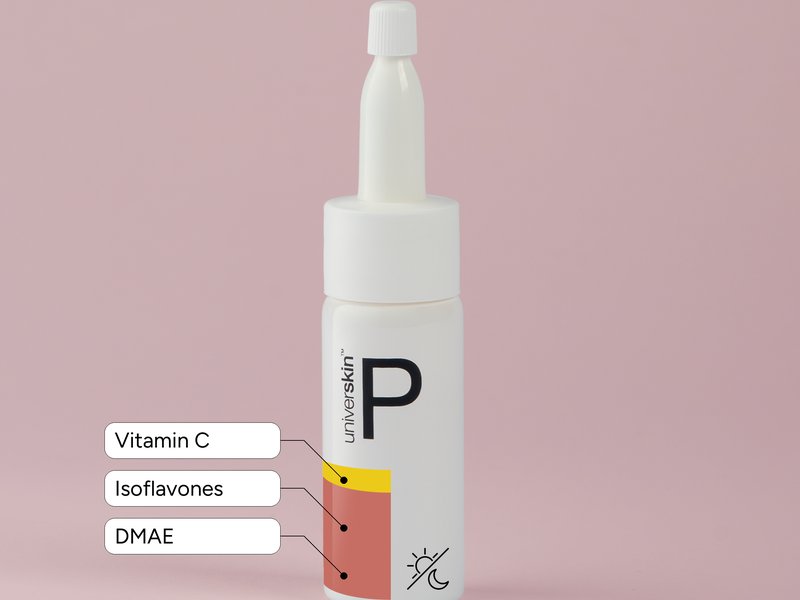
The Universkin model offers a useful case study because the brand was built for the medical community before expanding to consumers. The formula architecture — 20 active concentrate modules, combinable at varying concentrations — was designed to approximate what a practitioner would prescribe.
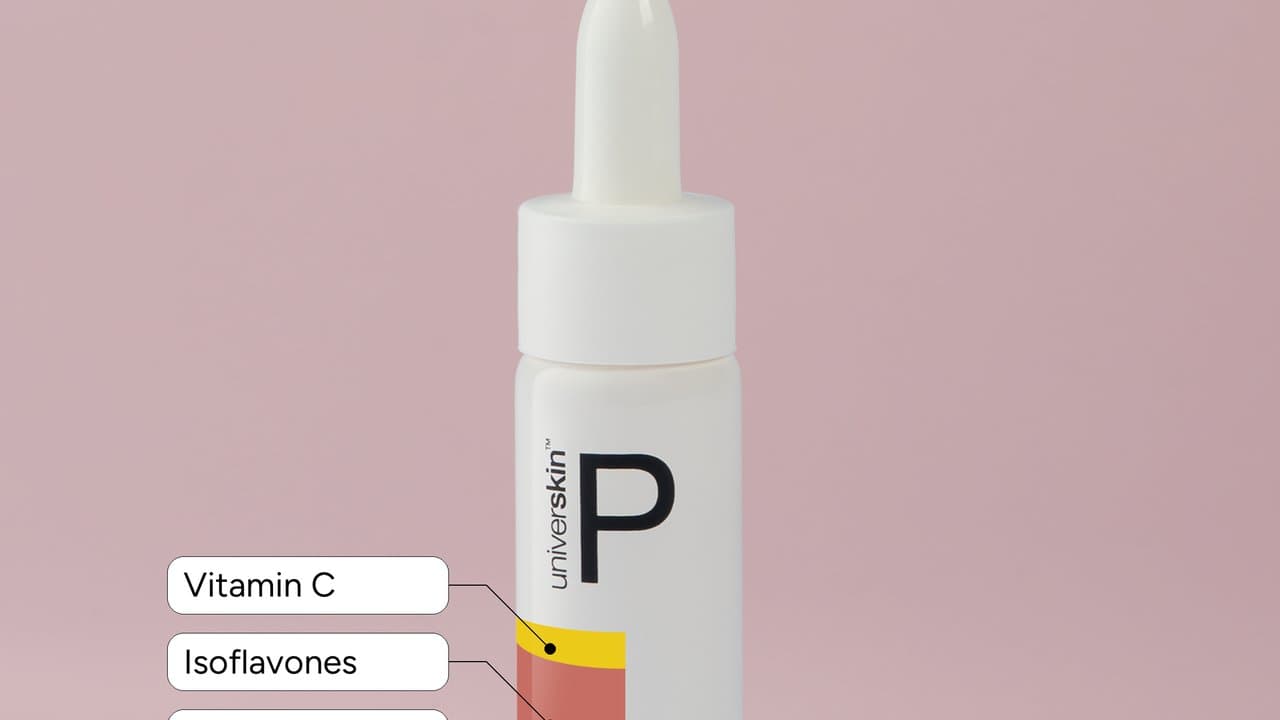
Universkin Formula 50 (hollowed eyes, EUR90) is not “selected for you by a quiz.” It’s a clinically validated formula for a specific, diagnosed concern — hollowed eye contour — with active ingredients (DMAE, isoflavones, vitamin C) chosen for that concern by dermatologists and aesthetic medicine professionals.
The difference between this and quiz personalization:
| Quiz Personalization | Clinical Personalization (Universkin model) |
|---|---|
| Existing products, algorithm-sorted | Active concentrations formulated for concern level |
| Marketing-driven | Medical-community-developed |
| Result: product recommendation | Result: targeted active formula |
| “For your skin type” | “For your specific concern” |
Most brands in the personalization space are offering the first column. Universkin is operating in the second column.
The Science: Does Personalization Improve Outcomes?
The dermatological literature on personalized formulations is more nuanced than either brand marketing or “it’s all a scam” skepticism suggests.
What the evidence supports:
-
Individual variation in active ingredient response is real. Genetic polymorphisms affect how individuals metabolize and respond to vitamin C, retinoids, and alpha-hydroxy acids. What works well for one person may be suboptimal or irritating for another at the same concentration. This is the biological basis for the personalization argument.
-
Overloaded routines produce more adverse reactions. Studies on contact dermatitis and ingredient sensitivity consistently find that the more products in a routine, the higher the likelihood of irritation or adverse reaction. Personalized, targeted routines with fewer products reduce this risk.
-
Concentration matching matters. The difference between a 5% vitamin C serum and a 15% vitamin C serum is meaningful for both efficacy and irritation potential. One-size-fits-all formulations at “safe” middle concentrations may be underdosing for some consumers and overdosing for others.
What the evidence is less clear on:
Algorithm-based quiz personalization has not been studied in controlled conditions with the rigor needed to distinguish genuine skin improvement from the placebo effect of “my skincare was made just for me.” The consumer skincare industry generally lacks this kind of outcome data.
The Practical Value Case
The economic argument for genuine personalized skincare comes down to targeted spend versus scattershot spend.
A typical consumer trying to address multiple skin concerns without guidance might accumulate: a retinoid for anti-aging, a vitamin C serum for brightening, a niacinamide product for pores, an eye cream for dark circles, a hydrating serum, and a barrier cream. Total spend: EUR150-250+, with products that may interact poorly and with no clear signal about which ones are working.
A targeted approach: three products, each addressing one clear concern, validated to work together. Total spend potentially EUR100-150 for a complete, non-redundant routine.
The personalization argument is partially an argument for rationalization — being deliberate and targeted about which products you use rather than accumulating based on trends.
The Universkin Sunscreen Gap
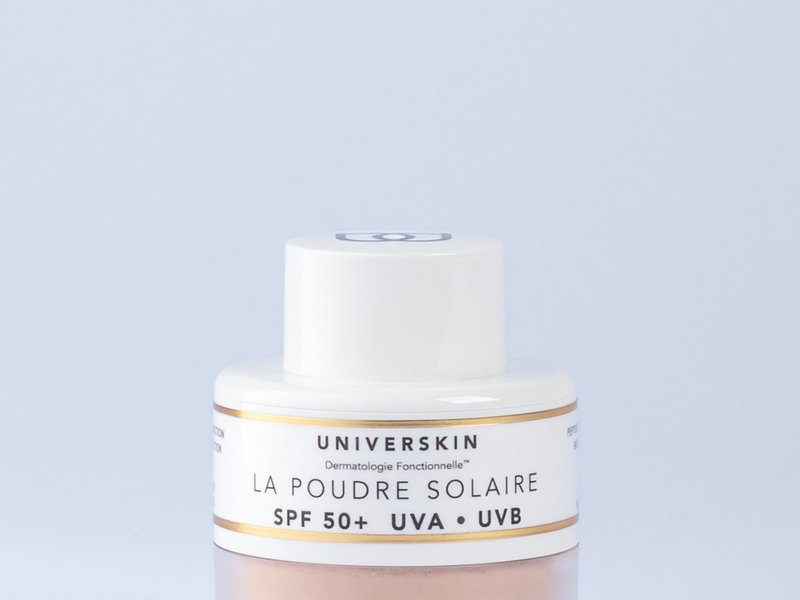
One limitation in Universkin’s current formula catalog worth addressing: there’s no dedicated facial SPF moisturizer in the core range. The Sunscreen Powder SPF50+ addresses reapplication over makeup, but isn’t designed as a morning moisturizer + SPF combination.
This matters particularly for anyone using the active serums (Formula 1 vitamin C, Formula 50 with isoflavones) because:
– Active ingredients that promote cell turnover increase photosensitivity
– Vitamin C without paired SPF protection is providing half the anti-aging benefit it could
– The Sunscreen Powder addresses reapplication but doesn’t replace a morning SPF base
The Sunscreen Problem and Why SPF Matters in Personalized Routines
If you’re investing EUR90-95 in active treatment serums and not pairing them with consistent SPF, you’re leaving results on the table. UV exposure undoes the brightening effects of vitamin C, reverses some of the skin renewal work that actives support, and is the single most evidence-backed cause of premature skin aging.
The Sunscreen Powder SPF50+ at EUR64 solves the reapplication problem specifically — you can touch up protection throughout the day without disrupting makeup. But you’ll also need a morning base SPF (any brand, SPF30+ minimum) if you’re not already using one.
This isn’t a Universkin criticism — it’s a fundamental truth about any active skincare routine that most brands, in the interest of not adding friction to their purchase funnel, don’t state clearly enough.
Who Personalized Skincare Is Actually For
Best fit for personalized skincare (Universkin model):
- People with one or two clearly identified skin concerns rather than a vague “I want better skin” goal
- Anyone who has worked with a dermatologist or skincare professional and understands what their specific concerns are
- Buyers who have cycled through multiple off-the-shelf products without the results they wanted
- People willing to invest EUR40-95 per product for a smaller, targeted collection
Quiz-based personalization may be sufficient for:
- Beginners who need guidance in navigating the overwhelm of skincare options
- People without strong concerns who mainly want a coherent starting routine
- Buyers more price-sensitive to individual product cost
Personalized skincare is not for:
- Anyone looking for miraculous results — personalized or not, skincare outcomes take weeks to months and require consistent use
- People with active skin conditions requiring prescription treatment (see a dermatologist rather than treating with consumer skincare)
Building a Personalized Routine with Universkin
A practical starting point for someone approaching Universkin with specific concerns:
Concern: Hollowed eyes + brightening
– Formula 50 (EUR90) for eye area
– Formula 1 Vitamin C 7% (EUR95)
– Buy 2 Save 20% applies: combined EUR148 instead of EUR185
Concern: Dehydration + hollowed eyes
– Hyaluronic Serum HA Booster EUR45 + Formula 50 EUR90
– Add L’Huile cleanser EUR40 for a complete starting routine
Concern: Complete anti-aging system
– L’Huile cleanser (EUR40) + Hyaluronic Serum (EUR45) + Formula 1 Vitamin C (EUR95) + Sunscreen Powder (EUR64)
– The FULL SYNC bundle (EUR166, 10% off) covers this with savings
Free samples with every order reduce the risk of starting before you’ve tried the textures and feel of the products on your skin.
The Universkin approach to personalized skincare is the most clinically-grounded consumer version of what the concept should mean. Whether it’s worth the per-product investment depends on how specifically you can identify your skin concerns and how committed you are to a targeted versus a broad-spectrum approach.
Recommended for you
 Best Ceramide Moisturizer Under $30: K-Beauty Picks That Outperform Luxury Brands
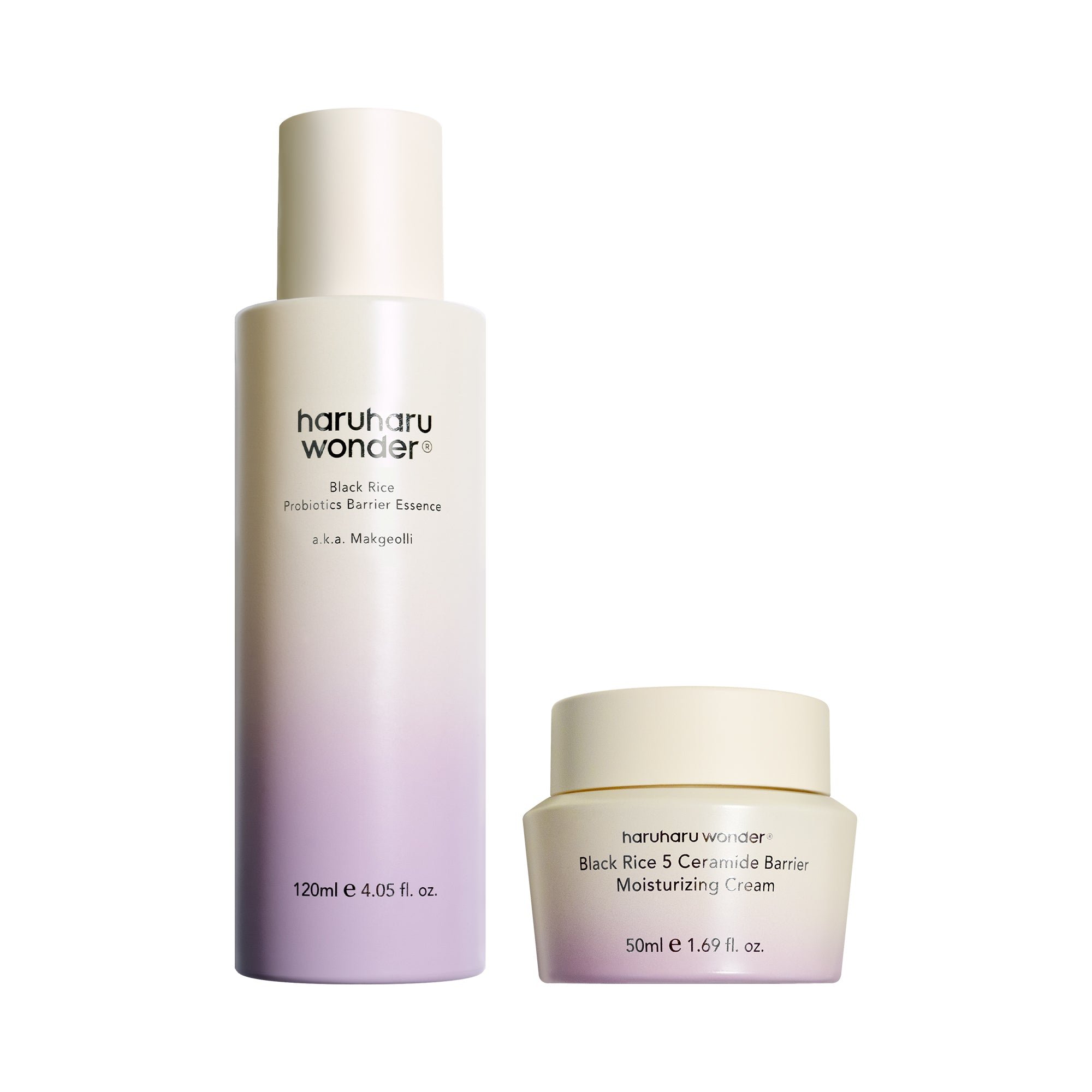 Haruharu Wonder Review: The K-Beauty Brand That Strips Skincare Back to Basics
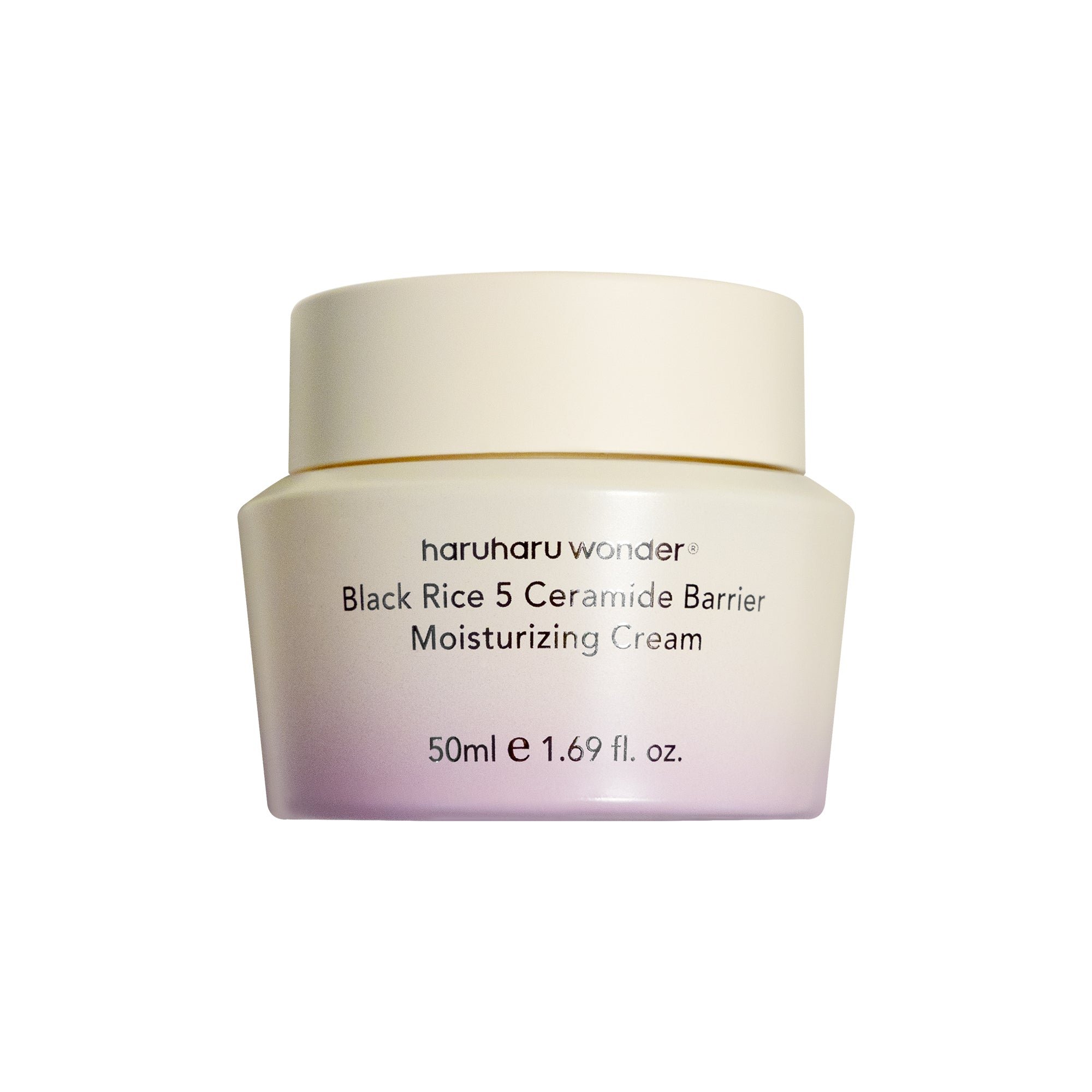 Haruharu Wonder Ceramide Cream Review: K-Beauty’s Best $24 Pick?
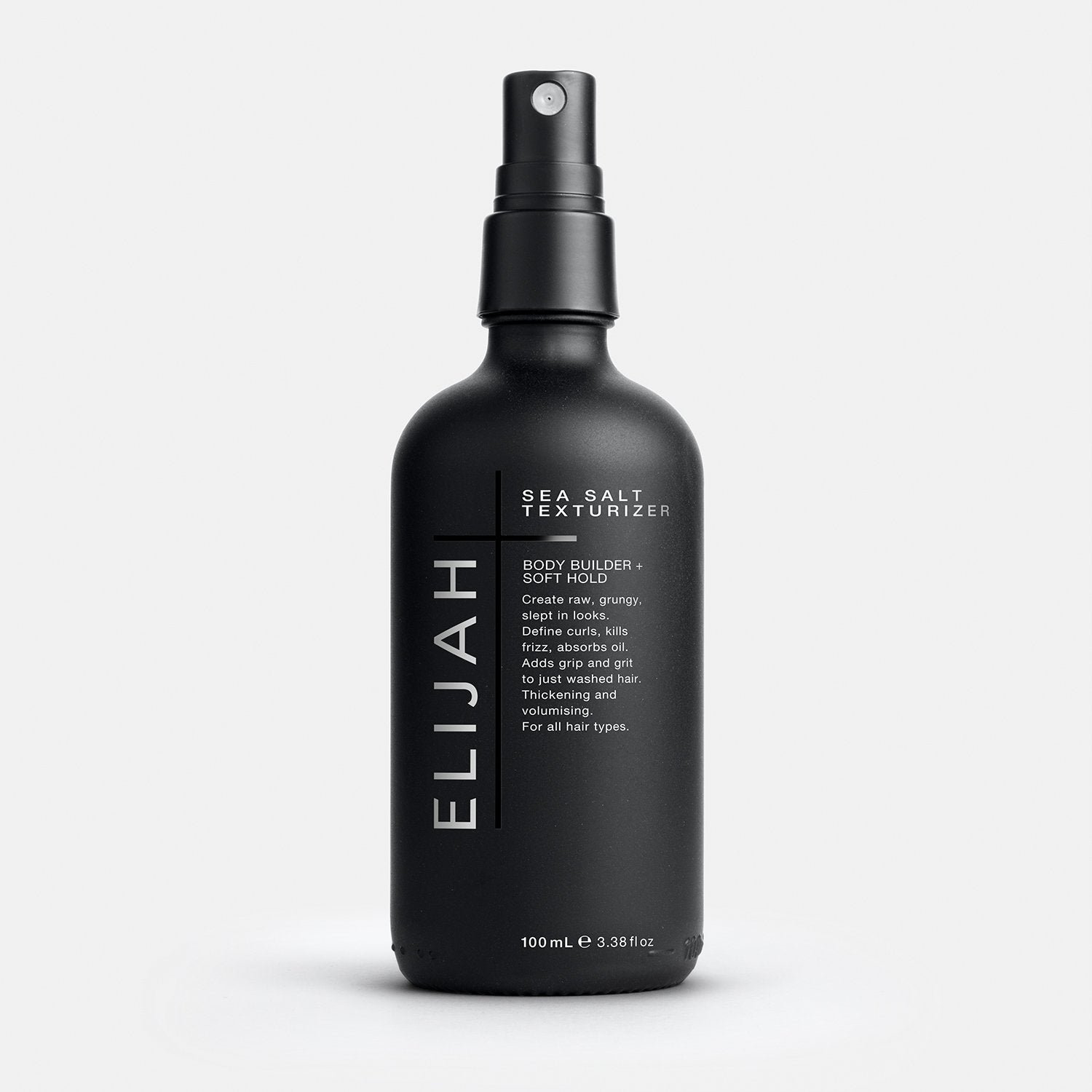 Best Men’s Hair Clay 2026: Which Formulas Actually Hold Without Crunch?
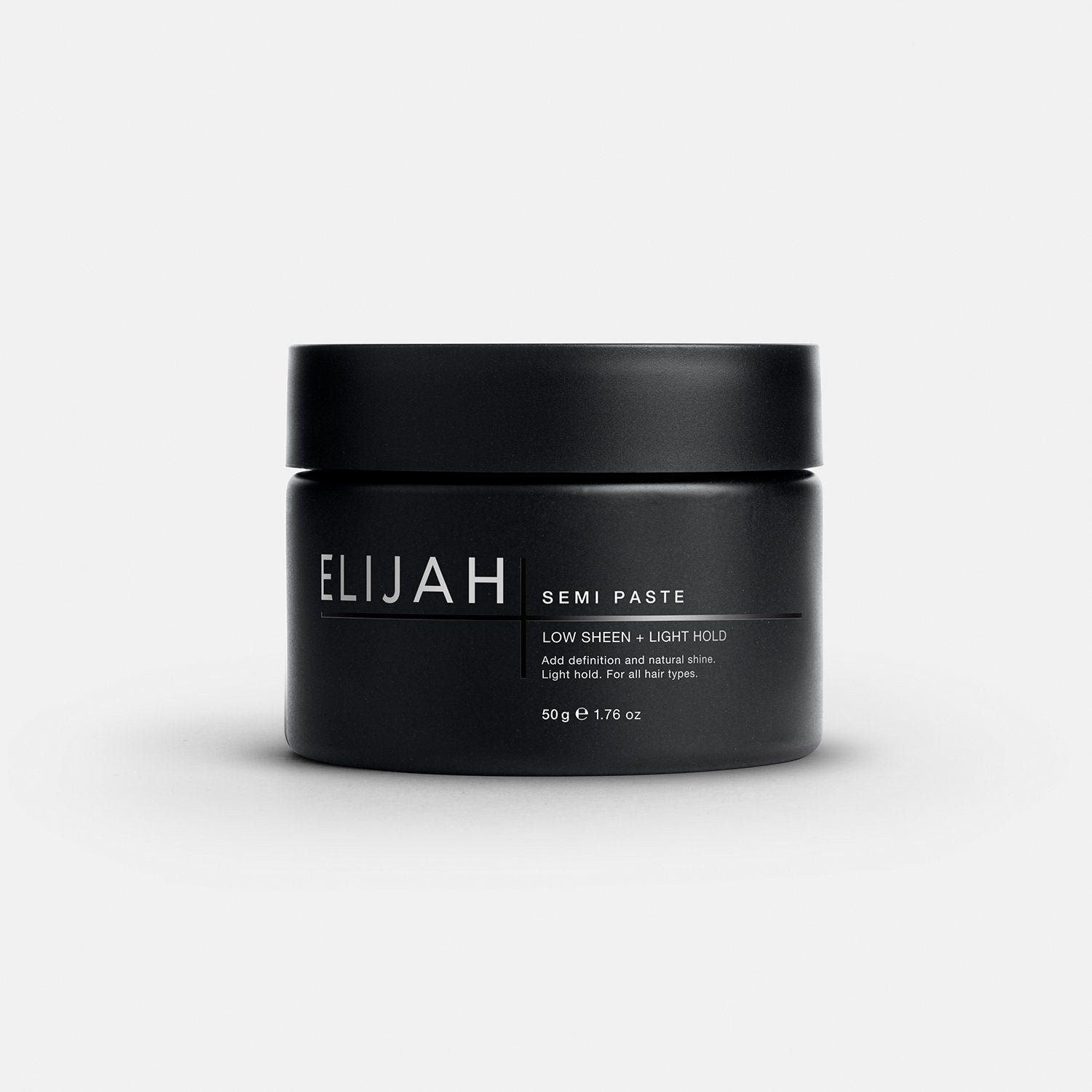 Who Is Elijah Matt Clay: Is This Barber-Origin Formula Worth 28 Euros?
 Who Is Elijah Review: The Best Matt Clay and Cologne for Men 2026