Propolis Skincare Benefits: Why Bee-Based Ingredients Are Winning in 2026
Propolis skincare benefits explained: antimicrobial, anti-inflammatory, antioxidant. How Hey Honey Beauty’s Israeli bee propolis delivers better skin without harsh actives.

What Is Propolis?
- What Is Propolis?
- What Is Propolis and What Does It Do for Skin?
- Why Israeli Bee Propolis Specifically?
- Hey Honey: Propolis Skincare from an Israeli Bee Brand
- How Propolis Compares to Other Skincare Actives
- Building a Propolis Skincare Routine
- Who Benefits Most from Propolis Skincare?
- Frequently Asked Questions
- Propolis Skincare Benefits: The Bottom Line
Propolis has been in commercial skincare for decades, but 2026 is arguably the year it crossed from niche ingredient into mainstream attention. K-beauty brands brought it significant visibility with serums and ampoules; now Western brands like Hey Honey Beauty are bringing it into daily routine formats — CC creams, serums, scrubs — where bee-derived actives can demonstrate sustained skin benefit. This guide covers what propolis skincare benefits are actually documented, what the clinical evidence says, and why Hey Honey’s Israeli propolis formulations represent a serious approach to the ingredient.
For specific product reviews, see Hey Honey TRICK & TREAT CC Cream review and GOOD MORNING Honey Silk Serum review.
What Is Propolis?
Propolis is a resinous substance produced by honey bees. Bees collect plant resins, mix them with beeswax and salivary enzymes, and produce propolis as a structural and antimicrobial material for the hive — used to seal gaps, coat surfaces, and protect the colony from pathogens. The word comes from Greek: “pro” (before, in front of) + “polis” (city) — the gate protection of the hive.
Chemically, propolis is a complex mixture: primarily resins and balms (50%), beeswax (30%), essential oils (10%), pollen (5%), and a range of organic compounds including flavonoids, phenolic acids, and terpenes. It is this polyphenol and flavonoid concentration that drives its skincare activity.
The phytochemical composition of propolis varies significantly by geographic origin. Brazilian green propolis has different active compounds than Chinese, European, or Israeli propolis — because propolis composition reflects the plant resins available in that ecosystem.
What Is Propolis and What Does It Do for Skin?

The research on propolis in dermatology covers four primary mechanisms:
1. Antimicrobial activity
Propolis flavonoids (particularly pinocembrin and galangin) demonstrate antibacterial activity against common skin pathogens including Staphylococcus aureus (the bacteria implicated in infected eczema and some acne) and Propionibacterium acnes (the primary acne bacterium, now reclassified as Cutibacterium acnes). Multiple in-vitro and some in-vivo studies confirm this effect.
For skincare, this translates to: propolis-containing products applied to acne-prone or inflamed skin create an environment hostile to bacterial overgrowth, reducing the frequency and severity of breakouts without the antibiotic resistance concerns associated with topical antibiotics.
2. Anti-inflammatory activity
Propolis polyphenols inhibit prostaglandin and leukotriene synthesis (inflammatory mediators) at the cellular level. Studies show reduced erythema (redness) and pro-inflammatory cytokine activity with topical propolis application. This effect is relevant for:
- Rosacea management (reducing baseline redness and inflammatory episodes)
- Post-procedure skin (chemical peels, laser treatments create acute inflammation)
- Reactive skin types that are chronically inflamed
3. Antioxidant activity
Propolis polyphenols scavenge free radicals — unstable molecules generated by UV radiation, pollution, and metabolic processes that oxidize cellular structures and accelerate aging. The antioxidant activity of propolis is comparable to vitamin E and some synthetic antioxidants, with the advantage of also contributing antimicrobial properties that vitamins do not have.
4. Wound healing acceleration
Multiple studies show propolis application to wounds (including post-surgical and burn wounds) accelerates healing. The mechanisms include stimulation of collagen synthesis, antimicrobial protection of the wound site, and reduction in inflammatory delay to tissue repair. For skincare, this translates to faster resolution of acne lesions, reduced post-blemish marks, and support for barrier repair after damage.
Why Israeli Bee Propolis Specifically?
The resin sources available to Israeli bees — including specific Mediterranean and Levantine plant species — produce a propolis with a high concentration of chrysin, pinocembrin, and caffeic acid phenethyl ester (CAPE). CAPE in particular has received significant research attention for anti-tumor, anti-inflammatory, and antioxidant effects in in-vitro models.
Hey Honey Beauty was founded in Israel and sources its propolis from Israeli apiaries, creating a direct link between the research on Israeli propolis compounds and the brand’s formulation approach.
Hey Honey: Propolis Skincare from an Israeli Bee Brand

Hey Honey’s product line uses propolis as the lead active across its range, rather than a secondary ingredient buried at the bottom of a formula:
TRICK & TREAT CC2 Cream SPF 46 ($42) — propolis provides antimicrobial and anti-inflammatory support in a daily-use SPF CC cream. The result: coverage and sun protection that also treats the skin underneath. 4.8 stars / 1,881 reviews.
GOOD MORNING Honey Silk Serum ($49) — propolis combined with stabilized vitamin C and hyaluronic acid for a morning brightening treatment. 4.8 stars / 1,407 reviews.
COME CLEAN Facial Scrub ($29) — propolis in a physical exfoliant format, providing antibacterial support during the exfoliation process. Relevant for acne-prone skin where scrubbing without antimicrobial support risks spreading bacteria.
LOOK INTO MY EYES Retinol Eye Mask ($58) — propolis + retinol in an eye treatment. The anti-inflammatory propolis component is particularly relevant around eyes, where retinol irritation is most common.
TRICK & TREAT Concealer ($38) — spot treatment that covers and treats simultaneously.
Every order includes free samples, and the brand offers free shipping on orders over $50 and a 30-day return guarantee. This policy makes trying a new propolis product category less risky than typical skincare purchasing.
How Propolis Compares to Other Skincare Actives
| Active | Primary Benefit | Propolis Comparison |
|---|---|---|
| Niacinamide | Brightening, pore appearance | Propolis adds antimicrobial niacinamide lacks |
| Retinol | Cell turnover, anti-aging | Propolis gentler, suitable where retinol causes irritation |
| Vitamin C | Antioxidant, brightening | Propolis adds antimicrobial; weaker brightening |
| Salicylic acid | Acne, follicular clearing | Propolis gentler but less penetrating |
| Centella asiatica | Anti-inflammatory | Similar effect; propolis adds antimicrobial |
Propolis sits in the “gentle actives” category alongside centella asiatica and niacinamide — meaningful skin benefits without the sensitivity concerns of retinol, L-ascorbic acid, or AHA/BHA. This positions it as the go-to active for reactive skin types who cannot tolerate more aggressive ingredients.
Building a Propolis Skincare Routine
Morning:
1. Cleanser (fragrance-free, low-irritant)
2. GOOD MORNING Honey Silk Serum — propolis antioxidant + vitamin C brightening
3. TRICK & TREAT CC2 Cream SPF 46 — daily protection and coverage
Evening:
1. Double-cleanse (oil cleanser, then water-based)
2. Propolis toner or essence (optional if used during day routine)
3. Treatment serum (retinol or other actives, if tolerated)
4. Propolis moisturizer or face cream
2-3x per week:
– COME CLEAN Facial Scrub — propolis + physical exfoliation, preventing bacteria from recolonizing freshly exfoliated skin
Who Benefits Most from Propolis Skincare?
Acne-prone skin — the strongest benefit category. Antimicrobial + anti-inflammatory addresses both the bacterial and inflammatory components of acne.
Rosacea-affected skin — anti-inflammatory without the harsh actives that often trigger rosacea flares.
Post-procedure skin — wound healing acceleration shortens recovery time after peels, laser, microneedling.
Reactive and sensitive skin — broad antimicrobial and anti-inflammatory action without the ingredient complexity that often triggers reactions in sensitive skin types.
People who prefer natural or bee-derived actives — propolis is one of the few “natural” actives with a robust research basis that matches the level of evidence behind synthetic alternatives.
Frequently Asked Questions
Is propolis skincare safe for bee allergy sufferers?
People with venom allergies (bee sting anaphylaxis) are not necessarily allergic to propolis in topical use. However, contact allergy to propolis does exist and is separate from venom allergy. If you have any bee-product sensitivity history, patch test before full application.
Does propolis skincare smell like honey?
Slightly — most propolis formulations have a faint, pleasant resinous or honey-adjacent smell, not strong enough to register as a fragrance in use.
Is Hey Honey cruelty-free?
The brand uses bee-derived ingredients (honey, propolis, royal jelly) and is therefore not vegan. They are cruelty-free in the animal-testing sense — no cosmetic testing on animals.
How quickly does propolis skincare show results?
Anti-inflammatory effects (redness reduction) are visible within days of consistent use. Antibacterial effects on acne frequency: typically 2-4 weeks for meaningful reduction. Antioxidant effects (glow, texture): 4-6 weeks.
Propolis Skincare Benefits: The Bottom Line
The research on propolis in skincare is more robust than most “natural” ingredient claims. Documented antimicrobial, anti-inflammatory, antioxidant, and wound-healing mechanisms make it a legitimately useful active — not marketing vocabulary.
Hey Honey Beauty has built a product line that puts propolis at the center rather than using it as a label note. The 4.8-star reviews across 1,881 and 1,407 reviews on their flagship products suggest the ingredient is performing as claimed in real-world use.
Free samples with every order, 30-day guarantee, and free shipping at $50 make it straightforward to verify for yourself.
Recommended for you
 Best Ceramide Moisturizer Under $30: K-Beauty Picks That Outperform Luxury Brands
 Haruharu Wonder Review: The K-Beauty Brand That Strips Skincare Back to Basics
 Haruharu Wonder Ceramide Cream Review: K-Beauty’s Best $24 Pick?
 Best Men’s Hair Clay 2026: Which Formulas Actually Hold Without Crunch?
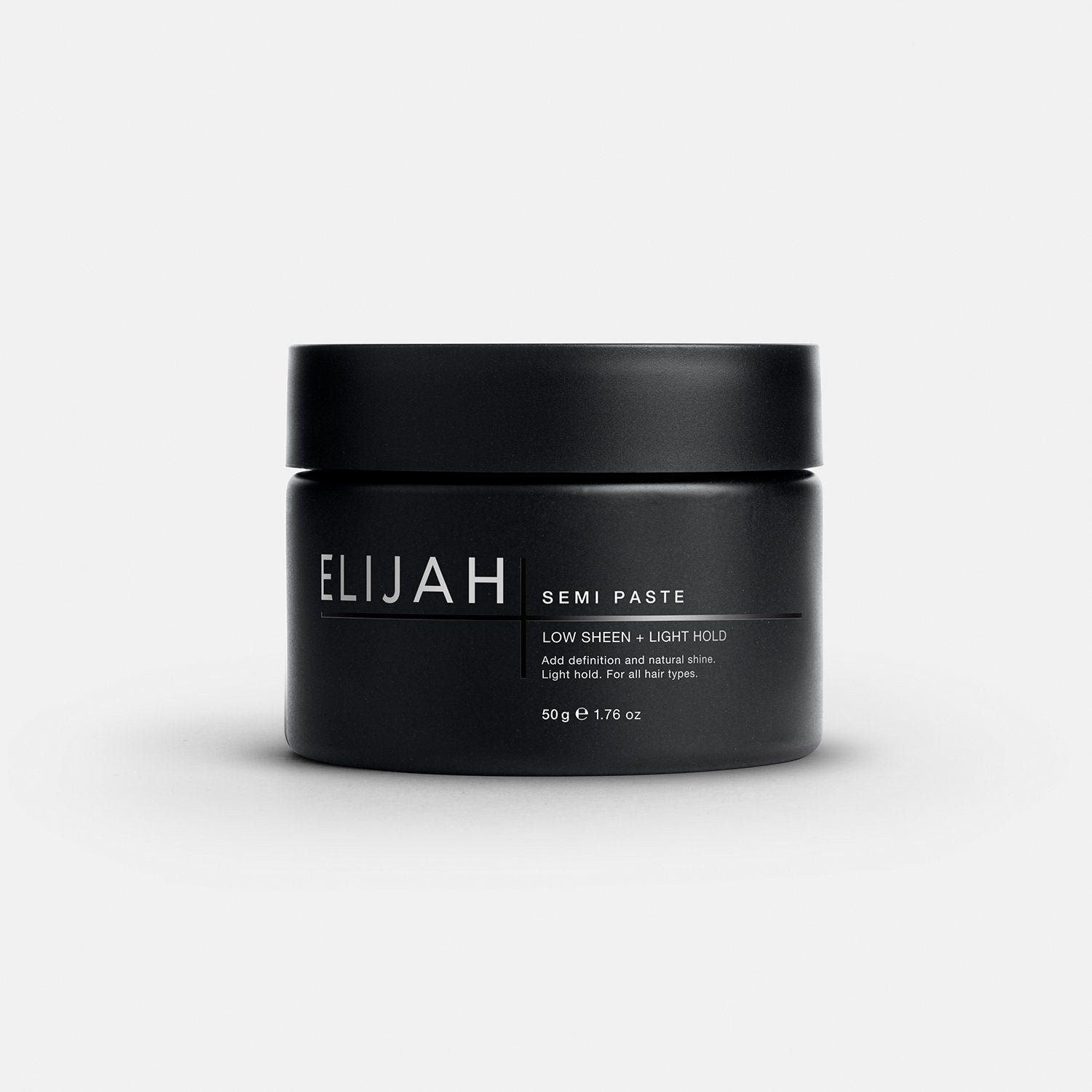 Who Is Elijah Matt Clay: Is This Barber-Origin Formula Worth 28 Euros?
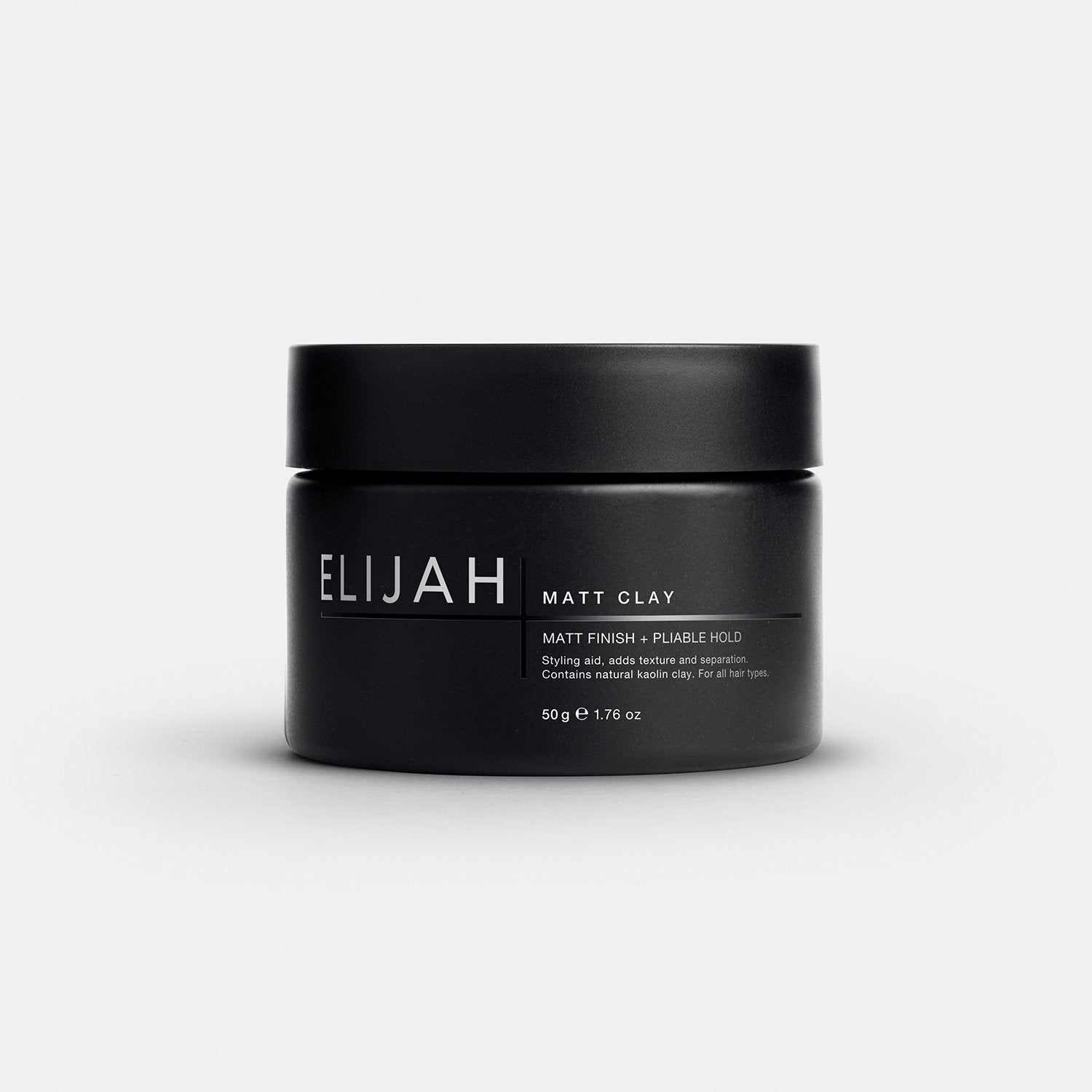 Who Is Elijah Review: The Best Matt Clay and Cologne for Men 2026