Universkin for Anti-Aging: How Personalized Serums Target Fine Lines
How a Universkin anti-aging serum personalizes retinol strength, vitamin C, and niacinamide to your exact skin — plus a realistic 12-24 week timeline for fine lines.
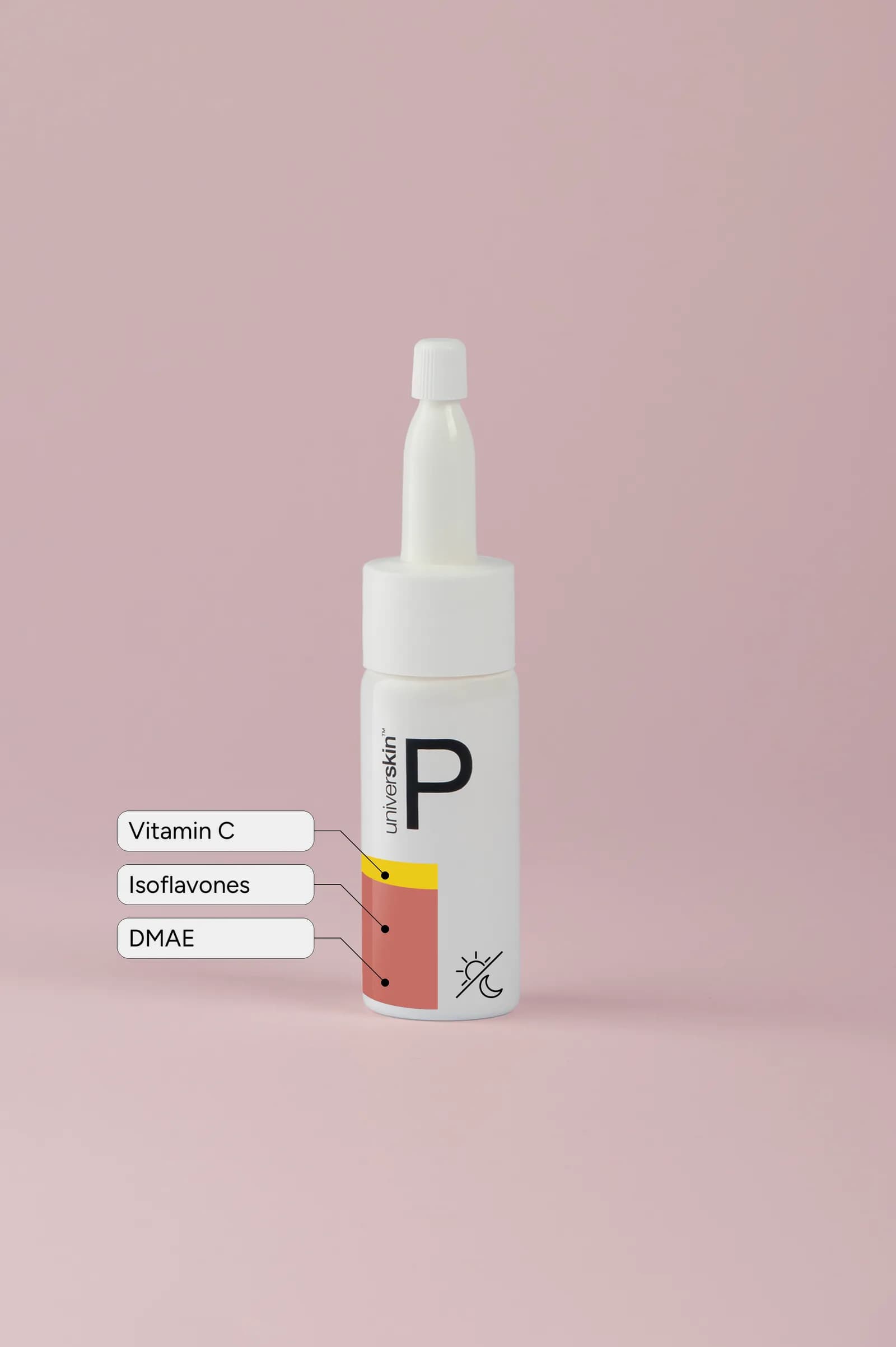
How a Universkin anti-aging serum targets fine lines
A Universkin anti-aging serum is built differently from anything sitting on a drugstore shelf. Instead of one fixed retinol percentage for every customer, an AI-powered skin analysis and a doctor partner select your actives and concentrations, then a lab blends your serum fresh 48 to 72 hours before it reaches your door using Universkin's patented Freshly Pressed Technology. If you have tried a generic retinol cream that either did nothing or irritated your skin, this guide explains how a personalized formula actually targets fine lines — and whether it is worth switching to. Full brand detail lives in our Universkin review.
Best for adults who want a retinol-based routine matched to their exact skin, not a guess off a shelf.
A Universkin anti-aging serum blends your retinol strength, vitamin C, and niacinamide around your own skin analysis instead of a single mass-market formula, with visible fine-line softening typically reported between weeks 12 and 24 of consistent use.
Start Your Skin Analysis- Retinol dosed in two customizable strengths — 0.2% starting and up to 0.4% once skin adapts — instead of one fixed percentage for everyone.
- Formulas draw from 18 active ingredients including retinoids, vitamin C, niacinamide, and azelaic acid, combined across 487,678 unique combinations.
- Serums are freshly blended 48–72 hours before delivery rather than sitting on a shelf for months.
- Personalization accounts for melanin level and skin tone so anti-aging actives don't trigger rebound pigmentation.
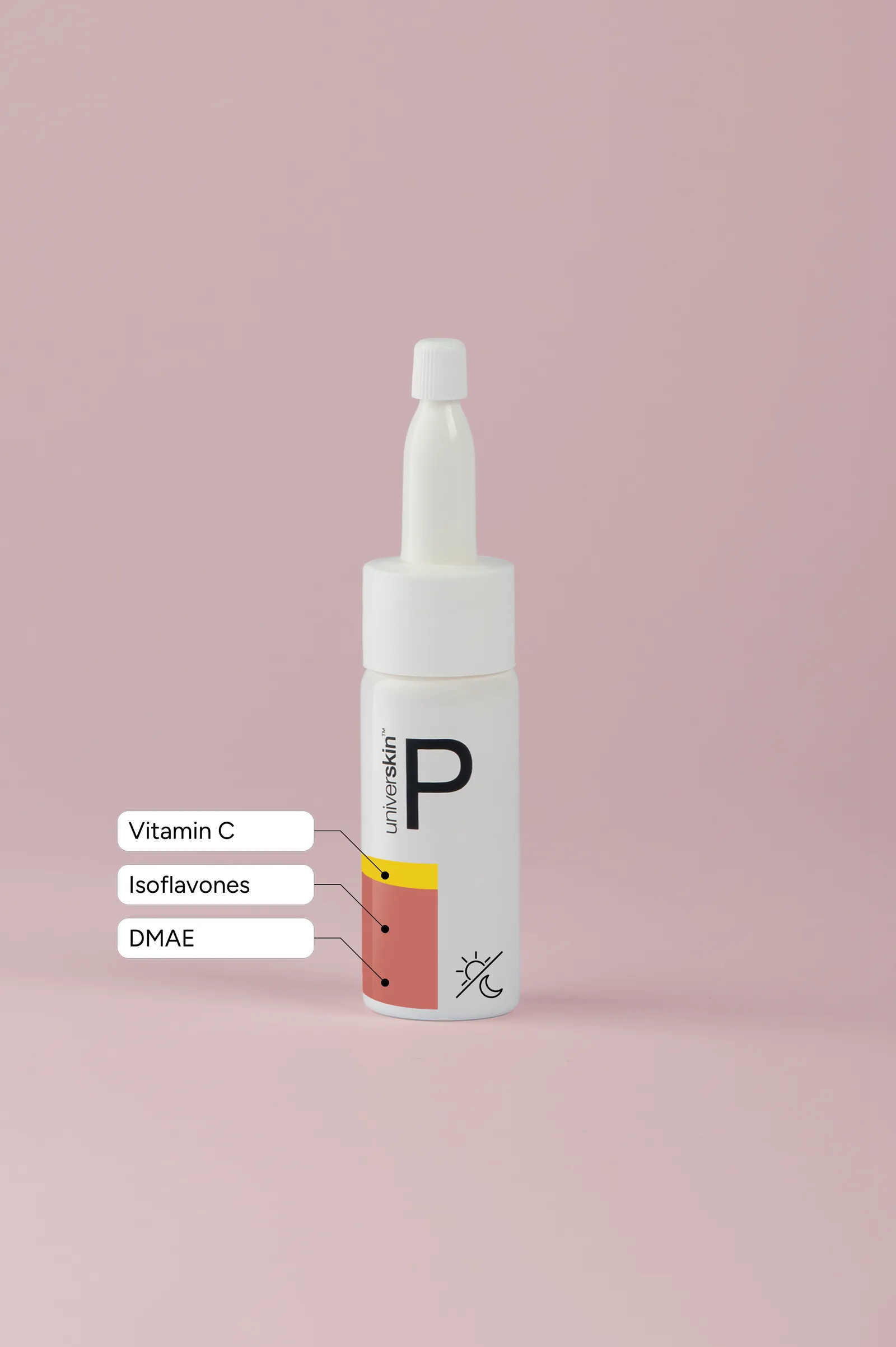
How a Universkin anti-aging serum targets fine lines
The process starts before any product is mixed. Users upload standardized selfies, and an AI system analyzes over 50 parameters relevant to skin function and appearance — including wrinkles, dark spots, redness, dryness, hydration, and the eye contour area where fine lines usually show first. This analysis was developed with dermatology input and trained on roughly 100,000 facial images, and it is validated again by dermatology experts before a formula is finalized.
From there, a doctor partner reviews the recommendation alongside your allergies, medications, and medical history — details a shelf product can never account for. The resulting serum is not a single anti-aging cream; it is a combination of actives at concentrations matched to how your skin specifically shows fine lines, then freshly blended 48 to 72 hours before shipping so the ingredients arrive at closer to full potency than a jar that sat in warehouse and retail inventory for months. For more detail on how the personalization process works, our companion guide breaks down the full consultation and formulation steps.
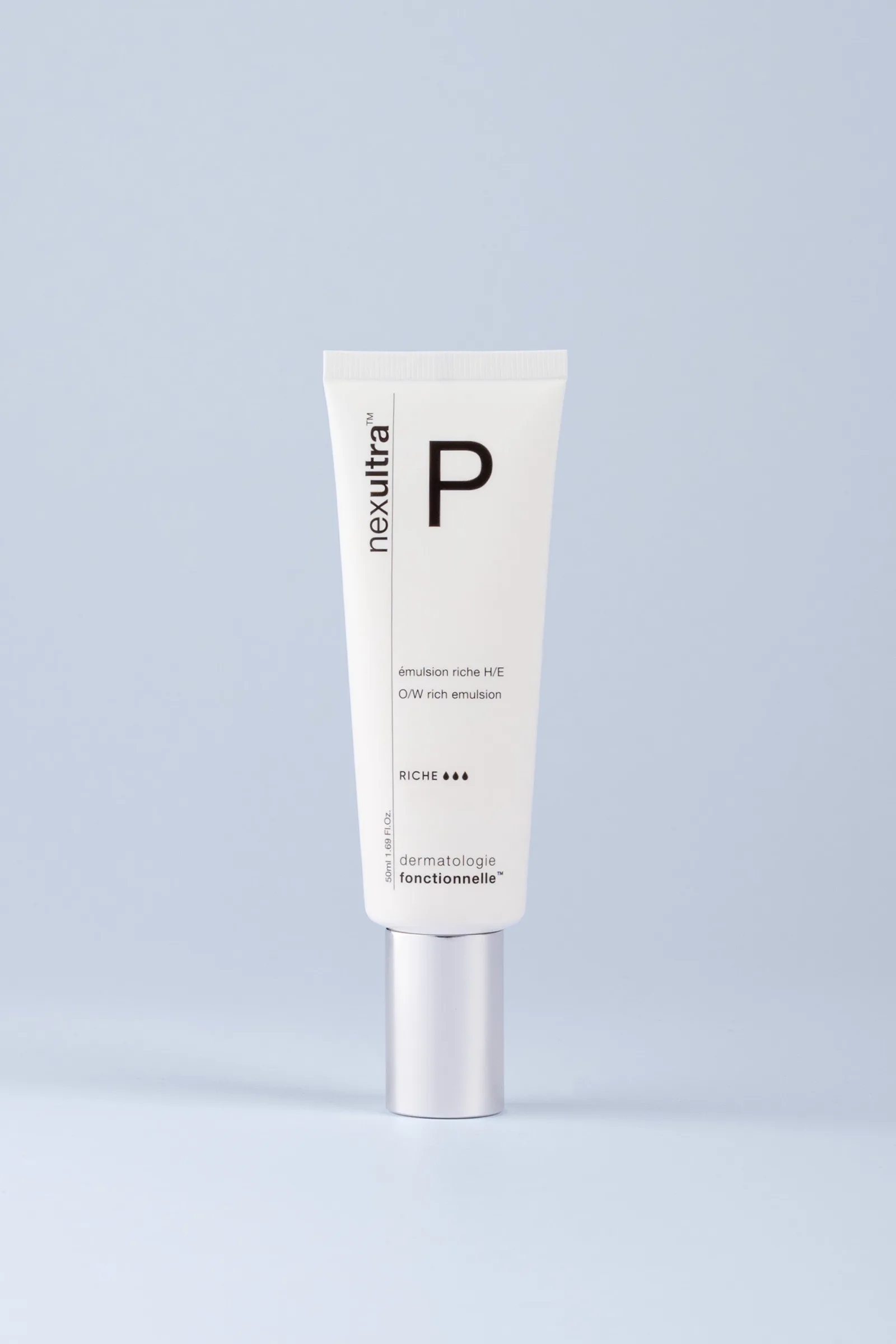
Universkin Skin Analysis
A guided AI + doctor-reviewed analysis is the entry point to any Universkin anti-aging serum — no formula is sold without it.
Check Current PriceKey active ingredients for aging skin
What actually goes into the bottle matters more than the marketing around it. Universkin draws from 18 mono-, bi-, and multifunctional active ingredients, and for anti-aging specifically, three groups do most of the work.
- Retinol — delivered through a two-capsule system, starting at 0.2% and stepping up to 0.4% once skin has adapted, rather than one fixed strength for every customer.
- Vitamin C and niacinamide — typically paired in a morning formula, kept separate from the retinol-based evening formula to preserve stability of both actives.
- Azelaic acid and other brightening actives — added when the skin analysis flags uneven tone alongside fine lines, since aging skin rarely presents just one concern.
The brand's ingredient philosophy leans toward biotech and natural sourcing: 88% of actives derive from biotechnology and 92% are naturally sourced, while retinoic acid, hydroquinone, and antibiotics are deliberately excluded in favor of gentler barrier-strengthening alternatives.
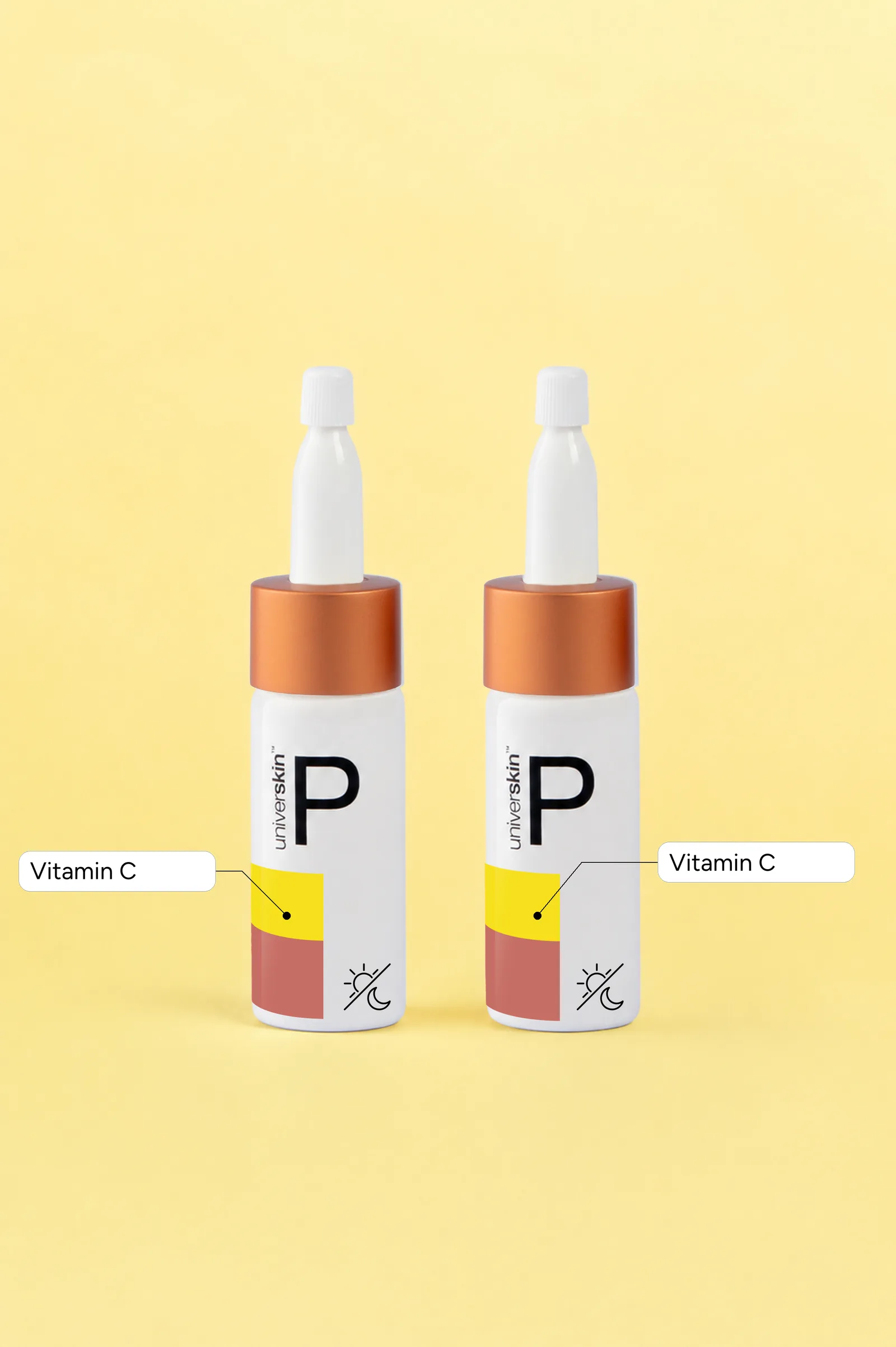
How to choose your anti-aging strength
Because Universkin builds the serum around your skin rather than the other way around, the right starting point depends on where you are today.
If you have never used retinol before
Expect the analysis to recommend the lower 0.2% capsule first. The brand's guidance is to start low and let skin adapt before stepping up, and Universkin frames retinol as "never one-size-fits-all," requiring personalization and doctor guidance for safe, individualized use.
If you already tolerate retinol well
Your consultation may move you toward the 0.4% strength sooner, often paired with vitamin C and niacinamide in a separate morning step for brightening alongside the fine-line work.
If your skin is sensitive or reactive
The analysis is designed to flag this and recommend gentler pairings, since the brand's formulations deliberately avoid retinoic acid and other aggressive actives in favor of barrier-first alternatives.
If you have deeper skin tone
Personalization is adjusted for melanin level to help prevent rebound pigmentation, a variable most drugstore anti-aging lines do not account for at all.
Universkin vs drugstore anti-aging creams
The clearest way to see the difference is side by side. A drugstore anti-aging cream ships as one fixed formula for everyone; a Universkin anti-aging serum is assembled per customer.
| Factor | Universkin personalized serum | Typical drugstore anti-aging cream |
|---|---|---|
| Formulation model | 487,678 unique combinations across 57 concentrations | Fixed SKU per skin-type label (e.g. "sensitive," "oily") |
| Retinol dosing | Graduated 0.2%–0.4%, adjusted to your tolerance | One printed percentage for all buyers |
| Freshness | Blended 48–72 hours before delivery | Formulated for up to 36-month shelf stability |
| Guidance | Distributed through doctor's offices | Self-selected off the shelf, no consultation |
| Skin-tone adjustment | Adjusted for melanin level to limit rebound pigmentation | Rarely adjusted for individual tone |
Neither model is automatically "better" for every reader — a drugstore cream is faster to buy and try. But if a generic retinol product has irritated your skin or simply underperformed, the gap in this comparison is exactly why. See our deeper breakdown in personalized skincare vs off-the-shelf.
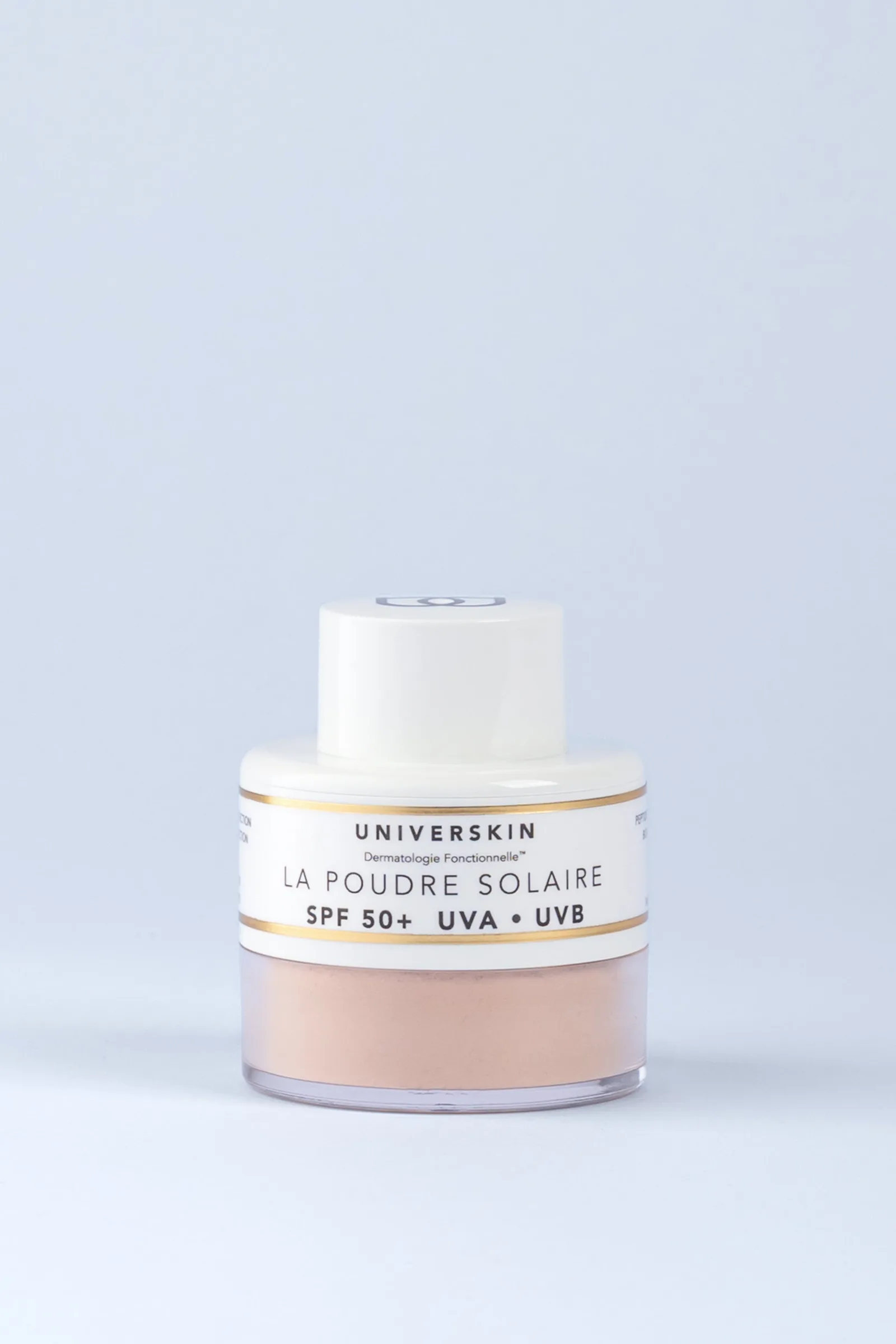
How to use it safely and get results
Retinol-based routines reward patience more than intensity. Universkin's own timeline for a personalized retinol serum runs in three phases: weeks 1–2 may bring some dryness as skin retinizes; weeks 3–6 typically show a smoother, fresher appearance; and weeks 12–24 is when visible fine-line softening and firmness improvements are reported.
- Complete the skin analysis and disclose allergies, medications, and skin conditions honestly — this is what lets the formula avoid problem ingredients.
- Start at the recommended capsule strength; do not request the higher 0.4% dose before your skin has adapted at 0.2%.
- Apply the evening retinol formula and the separate morning vitamin C/niacinamide formula as directed — the AM/PM split exists to protect ingredient stability.
- Use daily SPF, since retinol increases photosensitivity and undoes fine-line progress if skin is left unprotected.
- Expect your subscription formula to shift over time — Universkin adjusts formulas roughly every two months as skin responds to treatment or the season changes.
Common mistakes and fixes
Most disappointing results trace back to a handful of avoidable errors, not the formula itself.
- Skipping SPF. Retinol without daily sunscreen can undo the fine-line gains it is meant to deliver.
- Rushing to the higher retinol dose. Requesting 0.4% before skin has adapted at 0.2% raises irritation risk with little added benefit in the first weeks.
- Judging results too early. Meaningful fine-line change is reported at weeks 12–24, not after the first bottle.
- Leaving out medical history. The safety benefit of a doctor-reviewed formula depends on disclosing allergies, medications, and conditions at intake.
Alternatives to consider
A personalized serum is not the only path to treating fine lines, and it is worth knowing where it sits relative to other options.
- A targeted personalized eye serum — if your main concern is the eye contour area specifically, read our Universkin Formula 50 review for how a narrower, concentrated formula compares.
- Off-the-shelf retinol creams — faster to buy, but with one fixed concentration and no tone or medical-history adjustment; see the full comparison in personalized skincare vs off-the-shelf.
- In-office dermatology treatments — a separate category entirely (lasers, peels, prescription retinoids), typically used alongside rather than instead of a daily serum.
Verdict: is a Universkin anti-aging serum worth it?
If a generic retinol cream has either done nothing or irritated your skin, a Universkin anti-aging serum solves the specific problem of dosing and pairing being wrong for your skin — not just the ingredient being absent. The trade-off is a consultation step and a longer, 12–24 week timeline rather than an instant shelf purchase. For the full brand breakdown, read our Universkin review.
Start Your Skin AnalysisSources
This article is for informational purposes only and is not medical advice. Individual skin response to retinol and other active ingredients varies; consult a dermatologist or physician before starting or changing an anti-aging routine, especially if you are pregnant, nursing, or on prescription skincare.
Recommended for you
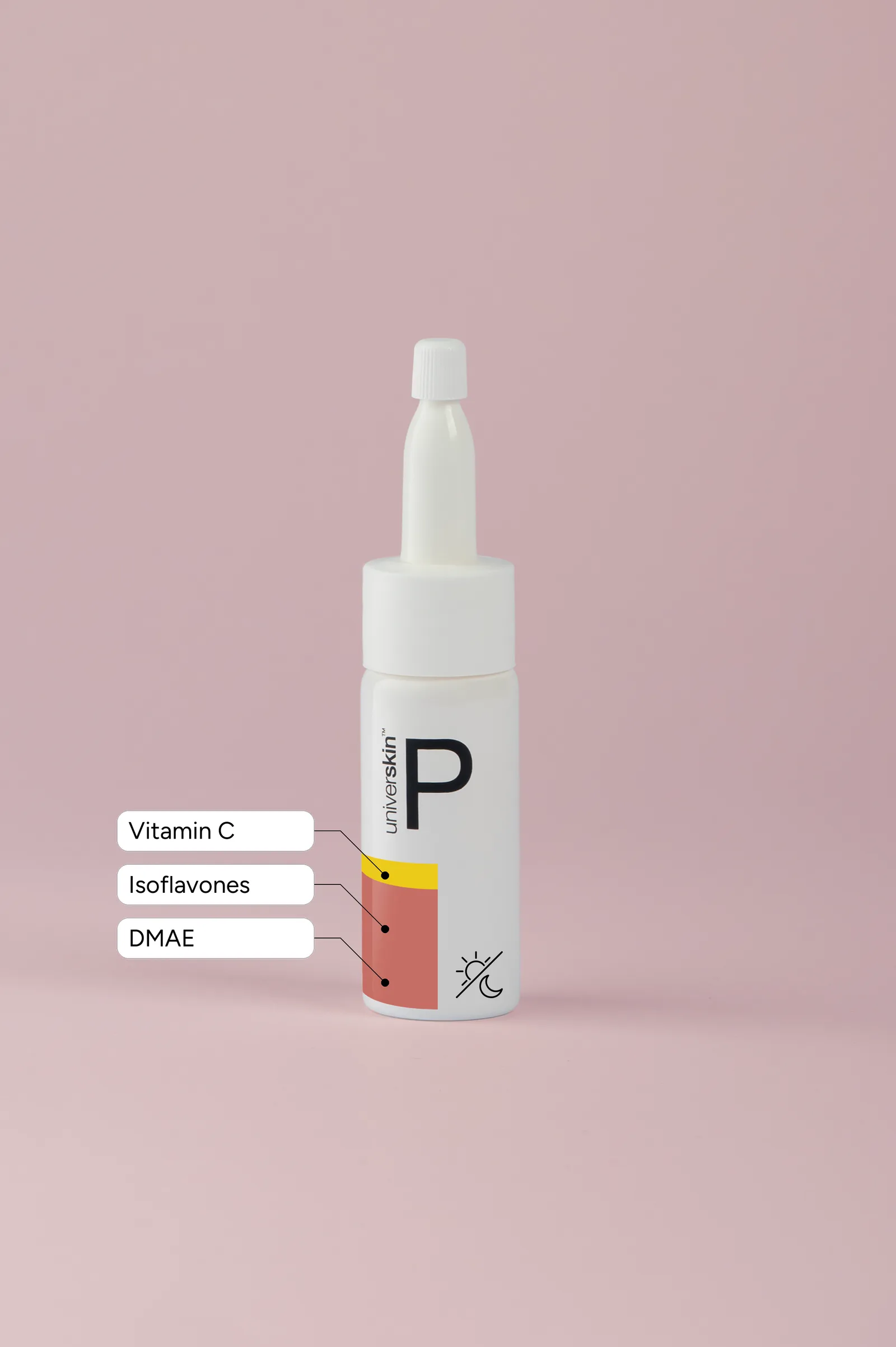 Universkin Personalized Serum: How It Works (2026 Guide)
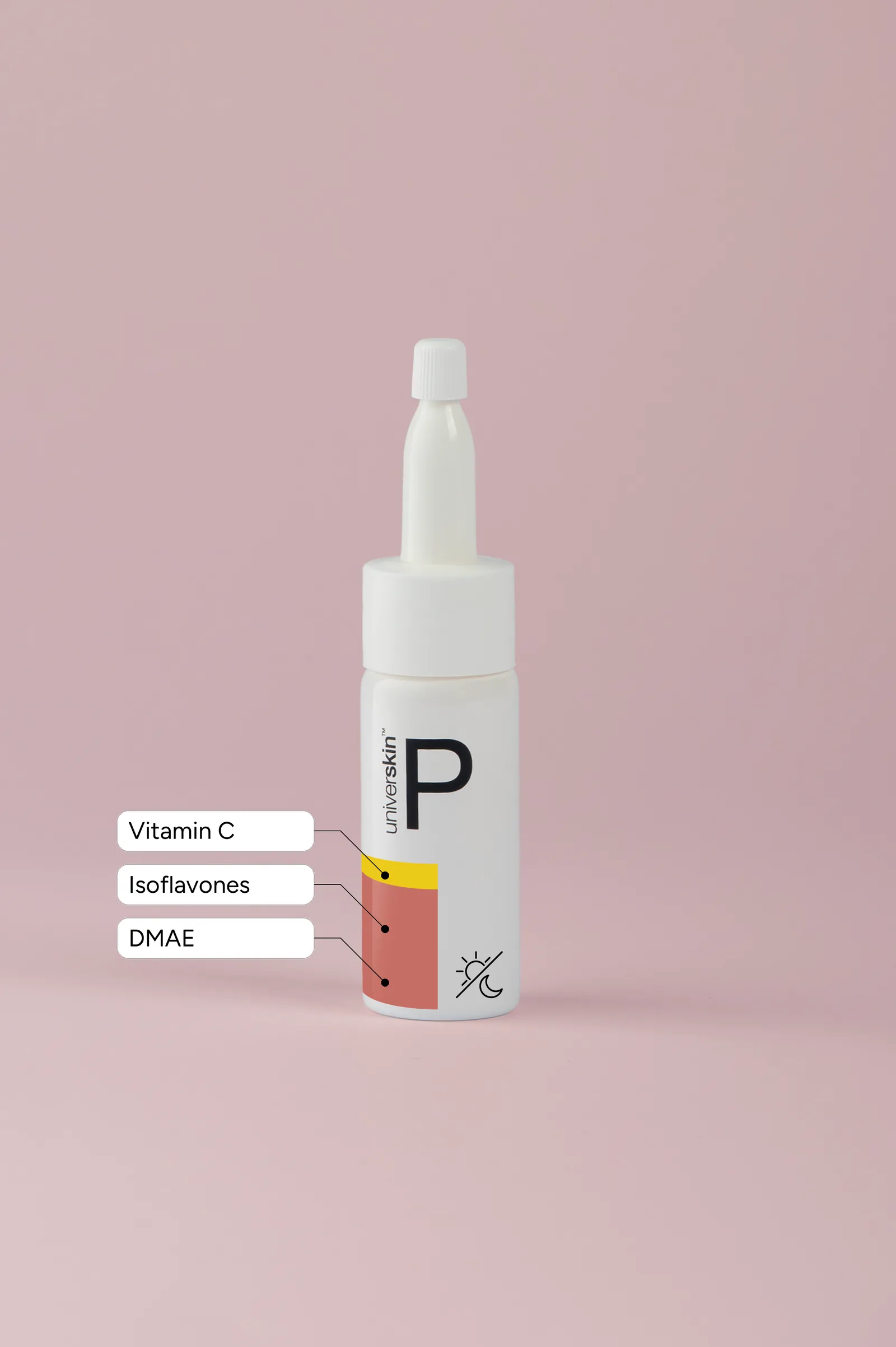 Universkin vs Drugstore Skincare: The Honest 2026 Buying Guide
- Painless Tattoo Review: Numbing Cream, Spray & Aftercare Oil Compared
 Best Ceramide Moisturizer Under $30: K-Beauty Picks That Outperform Luxury Brands
 Haruharu Wonder Review: The K-Beauty Brand That Strips Skincare Back to Basics
 Haruharu Wonder Ceramide Cream Review: K-Beauty’s Best $24 Pick?