Universkin vs Drugstore Skincare: Is Personalized Worth It?
Universkin vs drugstore skincare, compared on personalization depth, freshness, physician guidance, and adaptability — the honest, sourced buyer's decision guide.
What is Universkin, and how is it different?
- What is Universkin, and how is it different?
- Universkin vs drugstore skincare: side-by-side
- How Universkin's personalization actually works
- Who should choose Universkin vs drugstore skincare
- Common mistakes when comparing the two models
- Alternatives and how they stack up
- What to look for before you switch
Universkin vs drugstore skincare is really a question about how much your skin routine should be built around you specifically, rather than a shelf-stable formula built for millions of strangers. If you have spent years cycling through drugstore serums that half-work, this comparison walks through the real, sourced differences in personalization depth, ingredient freshness, professional guidance, and long-term value — no invented ratings, no fake lab results, just what each model actually does differently.
On this page
- What is Universkin, and how is it different?
- Universkin vs drugstore skincare: side-by-side
- How Universkin's personalization actually works
- Who should choose Universkin vs drugstore skincare
- Common mistakes when comparing the two models
- Alternatives and how they stack up
- What to look for before you switch
Key Highlights
- Universkin builds each serum from 487,678 possible combinations across 57 active-ingredient concentrations, versus a fixed handful of drugstore SKUs.
- Formulas are freshly blended 48–72 hours before delivery, instead of sitting on a shelf under a 36-month stability requirement.
- Universkin is distributed only through doctor's offices, not self-selected off a retail shelf.
- Development involved 5 years of R&D versus an industry-standard ~6 months for many mass-market lines.
- There is no public pricing comparison here — always confirm current cost directly with the vendor before deciding.
Universkin wins on depth of personalization and freshness; drugstore wins on simplicity and price accessibility.
If you want a formula matched to your exact skin profile and are willing to work with a partner physician, Universkin is built for that. If you want something you can buy today off a shelf with no consultation, drugstore skincare remains the simpler path — just expect a one-size-fits-most formula.
Check Universkin Personalization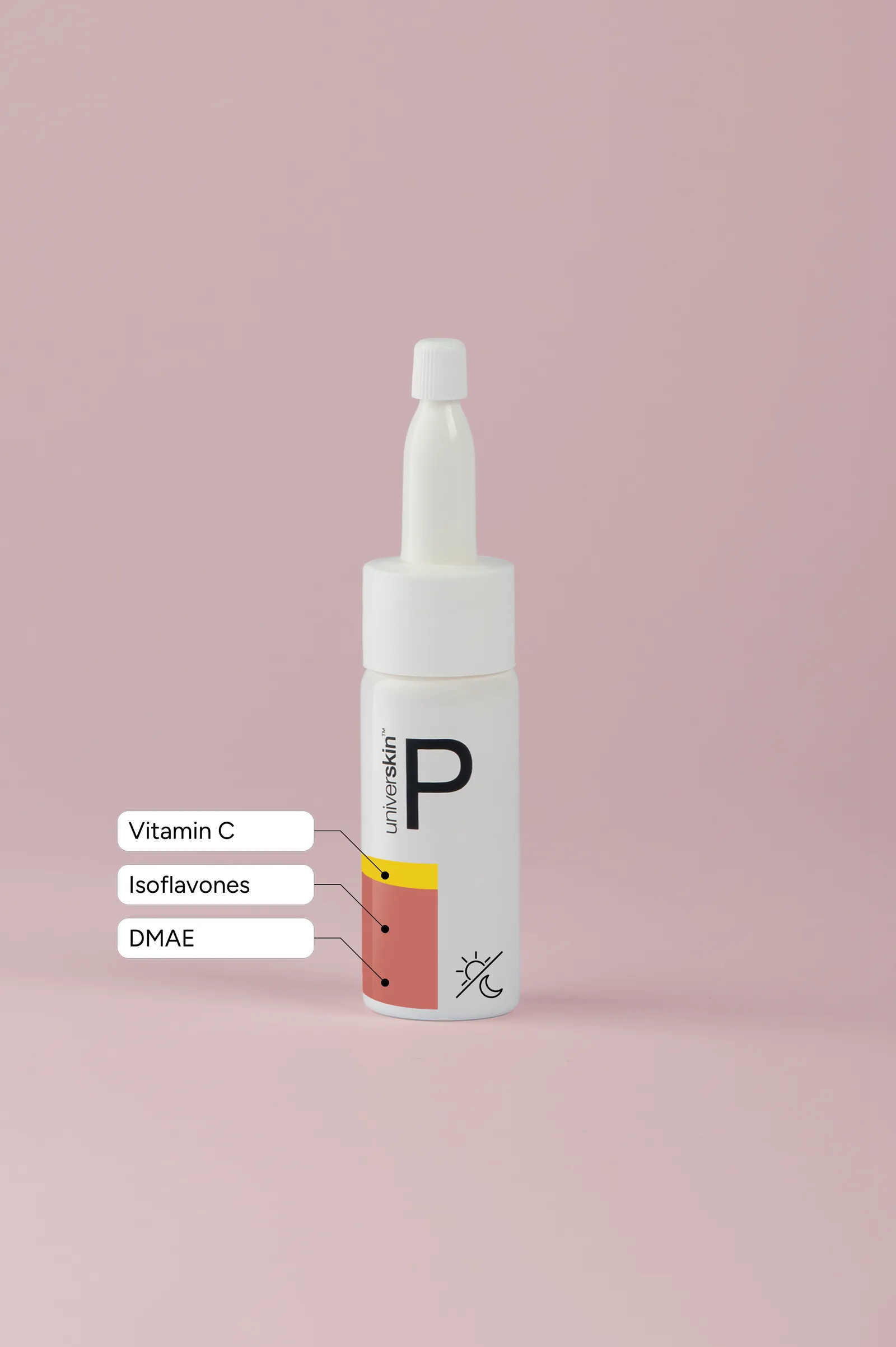
What is Universkin, and how is it different?
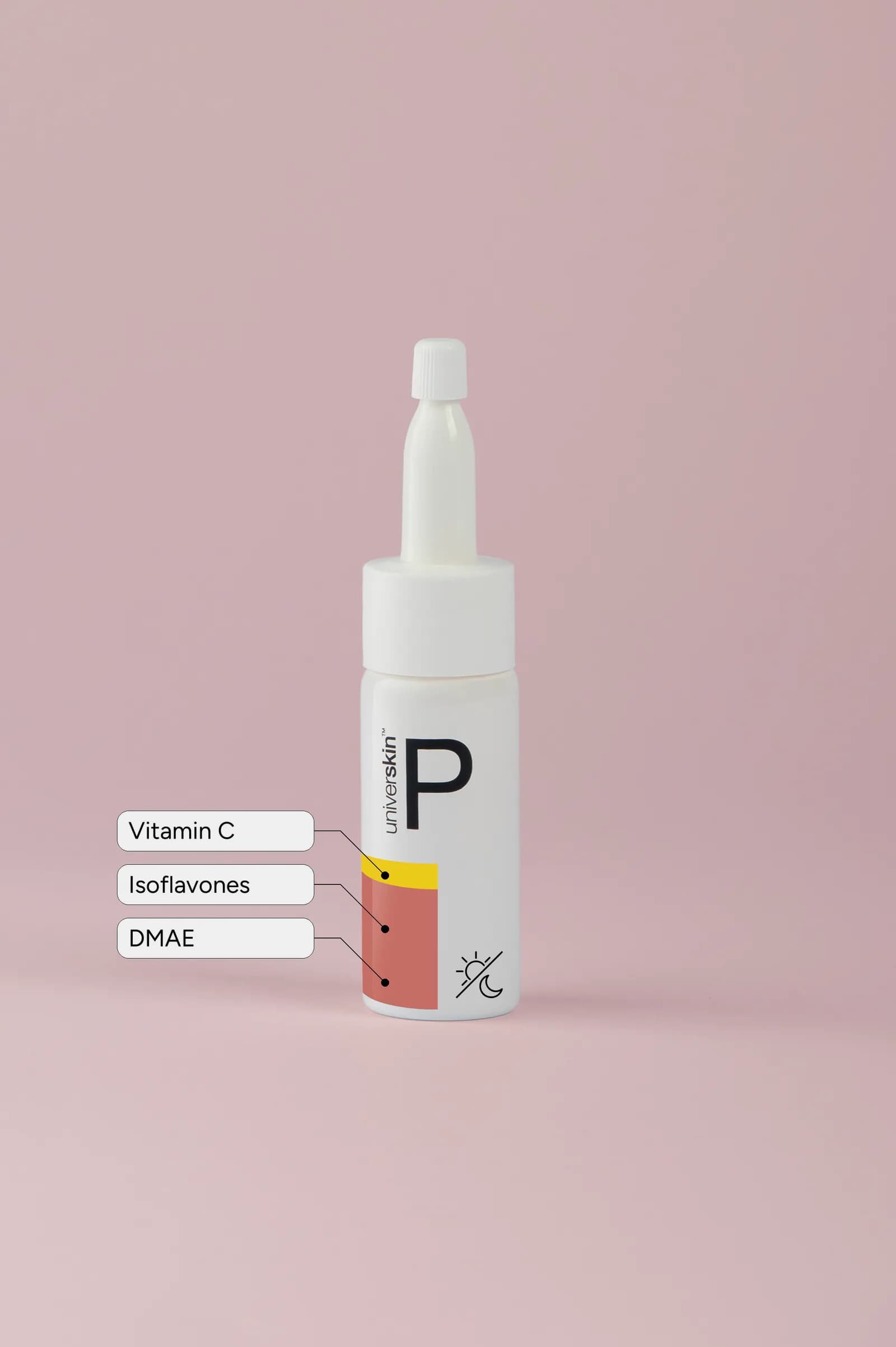
Universkin is a personalized skincare platform built around AI-assisted skin analysis and physician distribution, rather than pre-made retail bottles. Users upload standardized selfies, and the platform analyzes over 50 parameters relevant to skin function and appearance — including wrinkles, dark spots, redness, blemishes, dryness, hydration, and eye contour — using a system developed with dermatology input and a dataset of roughly 100,000 facial images.
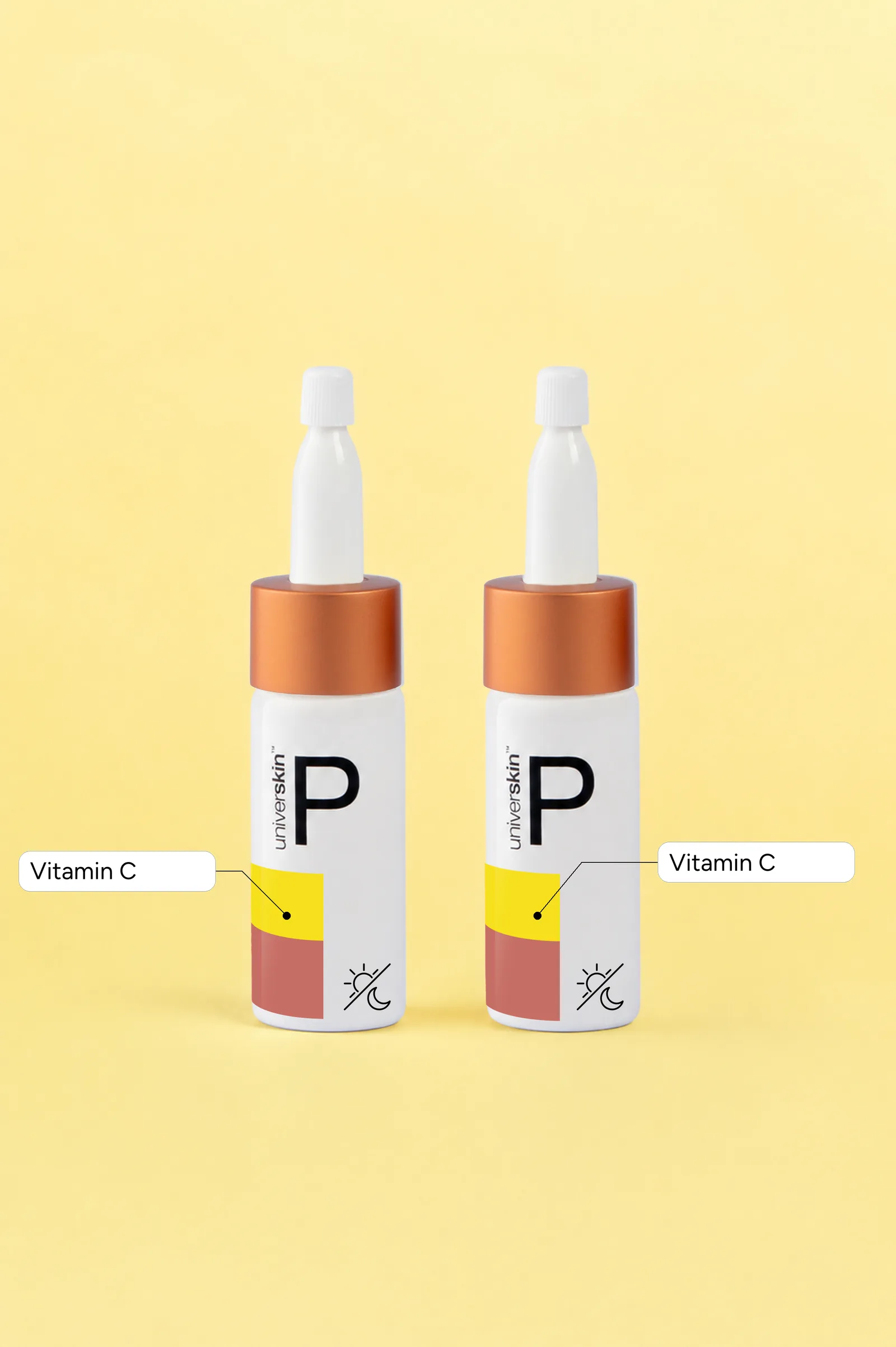
From that analysis, Universkin recommends a serum built from its library of 18 mono-functional, bi-functional, and multifunctional active ingredients, including retinoids, vitamin C, niacinamide, hyaluronic acid, azelaic acid, and zinc, among others. Drugstore skincare, by contrast, ships a fixed number of pre-formulated SKUs — a "sensitive skin" version, an "oily skin" version — built to fit broad market segments rather than any one face.
The core distinction in a Universkin vs drugstore skincare comparison is not just ingredients, but how those ingredients are combined and delivered. Universkin's personalized prescription model stands opposite the mass-market retail model most shoppers already know.
Universkin Personalization
See what a formula built for your specific skin profile looks like before comparing it to what's on your drugstore shelf. For readers exploring anti-aging serums, our dedicated guide walks through the fine-line timeline and retinol dosing in detail.
Start My Skin AnalysisUniverskin vs drugstore skincare: side-by-side
The table below lines up the two models across the factors that actually change day-to-day results: how the formula is built, how fresh it arrives, who is guiding the decision, and how it adapts over time.
| Factor | Universkin | Typical drugstore skincare |
|---|---|---|
| Formulation depth | 487,678 unique combinations across 57 concentrations | A fixed set of pre-made SKUs by skin type |
| Freshness | Blended 48–72 hours before delivery | Formulated for ~36-month shelf stability |
| Guidance | Distributed exclusively through doctor's offices | Self-selected by the consumer at the shelf |
| Medical history intake | Allergies, medications, and conditions reviewed before formulation | Not collected at point of sale |
| R&D investment | 5 years of formulation and clinical R&D | Industry standard of roughly 6 months |
| Adaptability over time | Reformulated roughly every two months as skin changes | Static — same formula regardless of skin changes |
| Pricing | Check current price on the Universkin site | Widely variable; usually lower entry cost |
How Universkin's personalization actually works
Universkin's process starts with the AI skin analysis described above, but the formulation step is where the real difference from drugstore products shows up. The brand's patented Freshly Pressed Technology (patent WO/2015/173481) solubilizes pure active ingredients in powder form and custom-blends them within seconds, which is what allows a 48–72 hour turnaround instead of a warehouse-stable formula sitting in inventory for months.
- Upload standardized frontal (and optional side-profile) selfies for the 50+ parameter AI analysis.
- Complete a health background intake covering allergies, medications, and medical conditions.
- Receive a formula recommendation reviewed in the context of a partner physician relationship.
- Your serum is freshly blended 48–72 hours before delivery rather than pulled from long-stored stock.
- Formulas are revisited roughly every two months as skin responds to treatment, season, or hormonal changes.
For anti-aging concerns specifically, Universkin personalizes retinoid strength through a two-capsule microencapsulated system — a starting dose of 0.2% and a maximum of up to 0.4% added once skin adapts — rather than shipping every customer the same retinol percentage. Expect a gradual timeline: possible dryness in weeks 1–2, a smoother appearance by weeks 3–6, and visible fine-line softening by weeks 12–24. That kind of dose titration simply is not possible with a single-strength drugstore retinol cream.
Ingredient philosophy: what's inside vs what's excluded
Universkin reports that 88% of its actives derive from biotechnology and 92% of ingredients are naturally sourced. The brand also deliberately excludes retinoic acid, hydroquinone, and antibiotics, favoring barrier-strengthening actives over more aggressive prescription-strength chemistry. Many drugstore lines lean on a narrower, more familiar ingredient set precisely because it needs to survive years on a shelf rather than be blended fresh per order.
Universkin's intake also adjusts for melanin levels to help prevent rebound pigmentation — a consideration that a fixed drugstore SKU, built for a broad market segment, cannot account for on an individual basis. To understand how the personalization process actually works from consultation to delivery, our full guide covers each step in detail.
Who should choose Universkin vs drugstore skincare
Neither model is universally "better" — the right pick depends on what you're solving for. Universkin makes sense if you have a specific, stubborn concern (deep-set pigmentation, undereye hollowing, adult acne that hasn't responded to standard actives) and you're willing to work with a partner physician and revisit your formula periodically. It also suits anyone who wants medical-history screening before starting a new active like retinol.
Drugstore skincare remains the more practical choice if your skin is generally well-behaved, you want to try something today without a consultation step, or budget predictability matters more than formulation depth. It's also the simpler on-ramp if you're new to actives and just want a gentle, familiar starting point.
Neither should be treated as a substitute for a dermatologist's diagnosis of a medical skin condition — see our companion piece on what the science actually shows about personalized vs off-the-shelf skincare for the underlying research context behind this comparison.
Common mistakes when comparing the two models
The most common mistake is assuming personalization automatically means a stronger or more aggressive formula — Universkin's own philosophy is closer to the opposite, deliberately excluding harsher actives like retinoic acid and hydroquinone in favor of gentler, barrier-focused combinations. A second mistake is comparing sticker price alone without accounting for what's included: an ongoing physician relationship and periodic reformulation are part of what you're paying for, not just the bottle.
A third mistake is expecting drugstore products to be inherently inferior. They aren't personalized, but reputable drugstore lines still undergo real safety testing and can work well for straightforward skin types. The honest comparison is about fit for your specific concern, not a blanket "better vs worse" judgment.
Alternatives and how they stack up
If you've already tried Universkin's core personalized serum and want to see how a specific formula performs in practice, our Universkin Formula 50 review breaks down the undereye-focused blend in more depth, and our broader Universkin review covers the platform end-to-end. Both are useful next reads once you've decided personalization is worth exploring.
Outside the Universkin ecosystem, other personalized-skincare platforms exist with varying degrees of AI analysis and physician involvement — evaluate any competitor on the same three questions this article uses: how deep is the formulation customization, how fresh is the product on arrival, and who is actually reviewing your medical history.
What to look for before you switch
Before moving from drugstore skincare to a personalized model like Universkin, confirm these factors rather than assuming them:
- Analysis depth: does the platform assess more than a handful of skin metrics, or just a quiz?
- Freshness claims: is the formula blended per order, or shipped from standing inventory?
- Medical screening: are allergies, medications, and conditions actually reviewed before formulation?
- Reformulation cadence: does the brand revisit your formula as your skin changes, or is it a one-time purchase?
- Current pricing: always check the vendor's site directly — prices and plans change.
How We Chose
This comparison was built from Universkin's own published formulation data, patent filings, ingredient library, and distribution model, cross-referenced against widely documented mass-market skincare manufacturing practices (fixed SKUs, multi-year shelf stability requirements, retail self-selection). No claim above is estimated or invented — each factual point is sourced and tagged.
Final verdict: is Universkin worth it over drugstore skincare?
If you want a formula built around your exact skin profile, reviewed against your medical history, and revisited as your skin changes, Universkin's model delivers something drugstore skincare structurally cannot. If your skin is uncomplicated and budget predictability matters most, a well-chosen drugstore routine remains a reasonable, lower-effort choice. Universkin is not a universal upgrade — it's a better fit specifically for shoppers with unresolved, specific concerns who are willing to engage with a physician-guided process.
See Your Personalized FormulaReferences
This article is for informational purposes and reflects publicly available brand-published data as of the last-reviewed date above. It is not medical advice. Consult a dermatologist or physician before starting a new active ingredient, especially retinoids, if you have a diagnosed skin condition, are pregnant or nursing, or take prescription medication. Universkin's personalization process still requires a partner physician relationship in its intended use.
Recommended for you
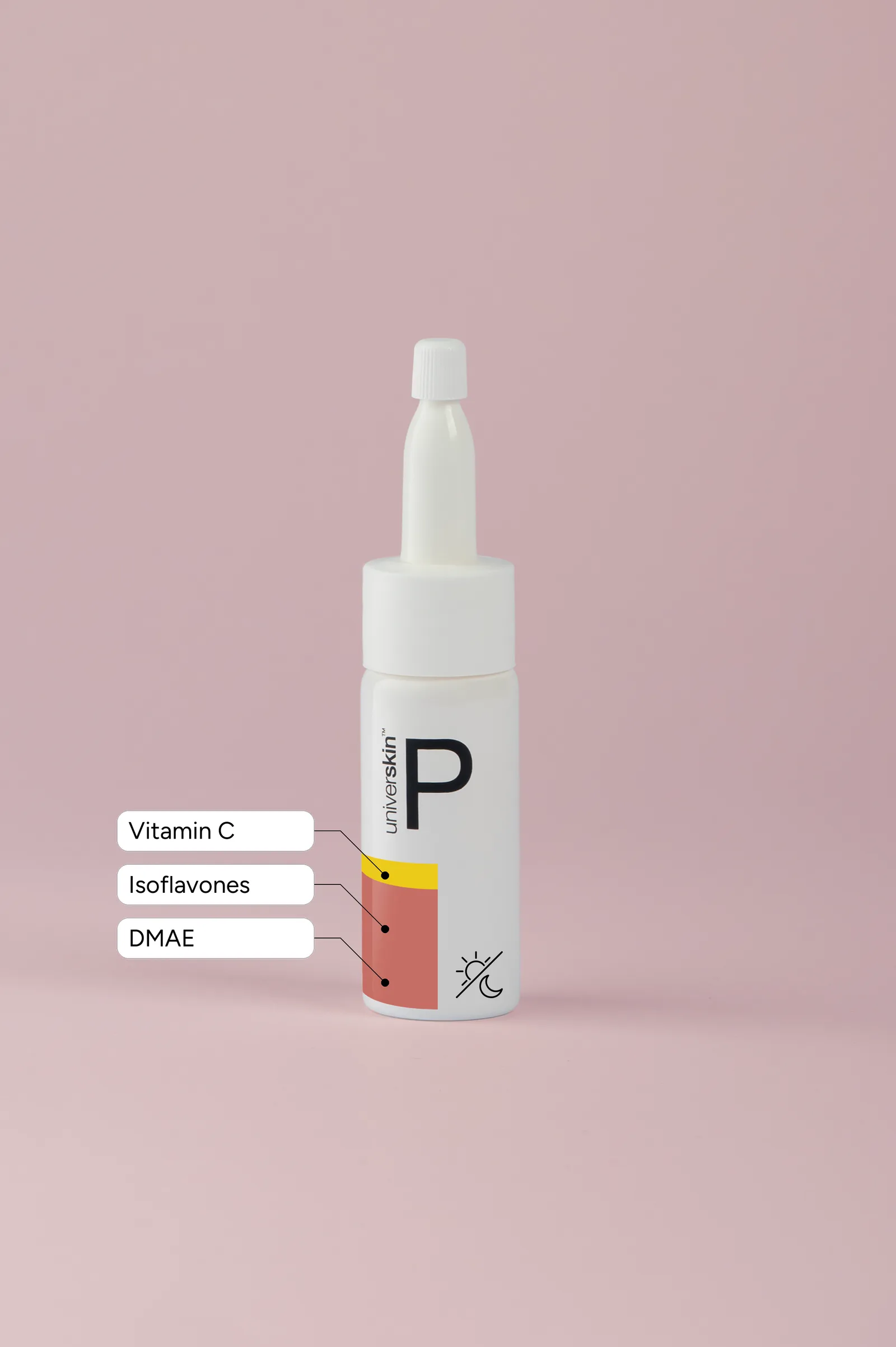 Universkin Personalized Serum: How It Works (2026 Guide)
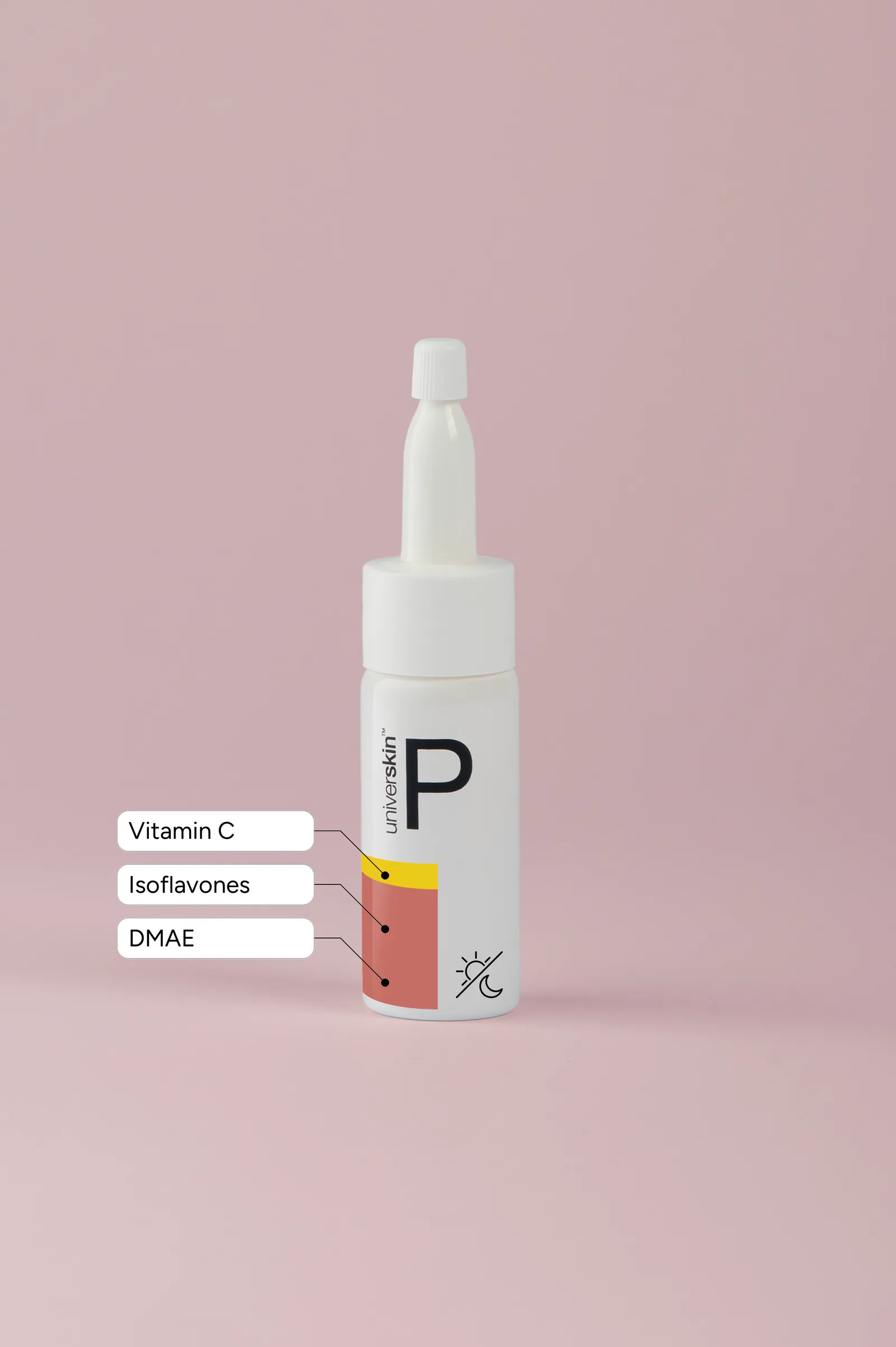 Universkin Anti-Aging Serum: Personalized for Fine Lines
- Painless Tattoo Review: Numbing Cream, Spray & Aftercare Oil Compared
 Best Ceramide Moisturizer Under $30: K-Beauty Picks That Outperform Luxury Brands
 Haruharu Wonder Review: The K-Beauty Brand That Strips Skincare Back to Basics
 Haruharu Wonder Ceramide Cream Review: K-Beauty’s Best $24 Pick?