At-Home Plasma Pen 2026: Can You Really Remove Skin Tags Without a Doctor?
Using a plasma pen for skin tags at home in 2026: how fibroblast technology works, cost vs. clinic, who it’s right for, and what to realistically expect.
What Is a Plasma Pen — and How Does It Work on Skin Tags?
If you have a skin tag — or twelve — you already know the mental loop: too minor for a doctor visit, too visible to ignore, and too nerve-wracking to handle yourself with scissors or dental floss.
A plasma pen for skin tags has become the answer millions of people are searching for in 2026. Not because it’s a magic wand, but because fibroblast plasma technology has finally reached a price point and safety profile that makes careful home use a real option. This guide covers exactly how the technology works, what the healing process looks like, who it’s a good fit for, and how to compare the cost against a clinic visit.
Disclaimer: This content is for informational purposes only. Plasma pens are cosmetic tools for benign imperfections. If any spot changes in color, size, or border, consult a licensed dermatologist. See a full safety guide at Ocuralife’s safety page.
What Is a Plasma Pen — and How Does It Work on Skin Tags?
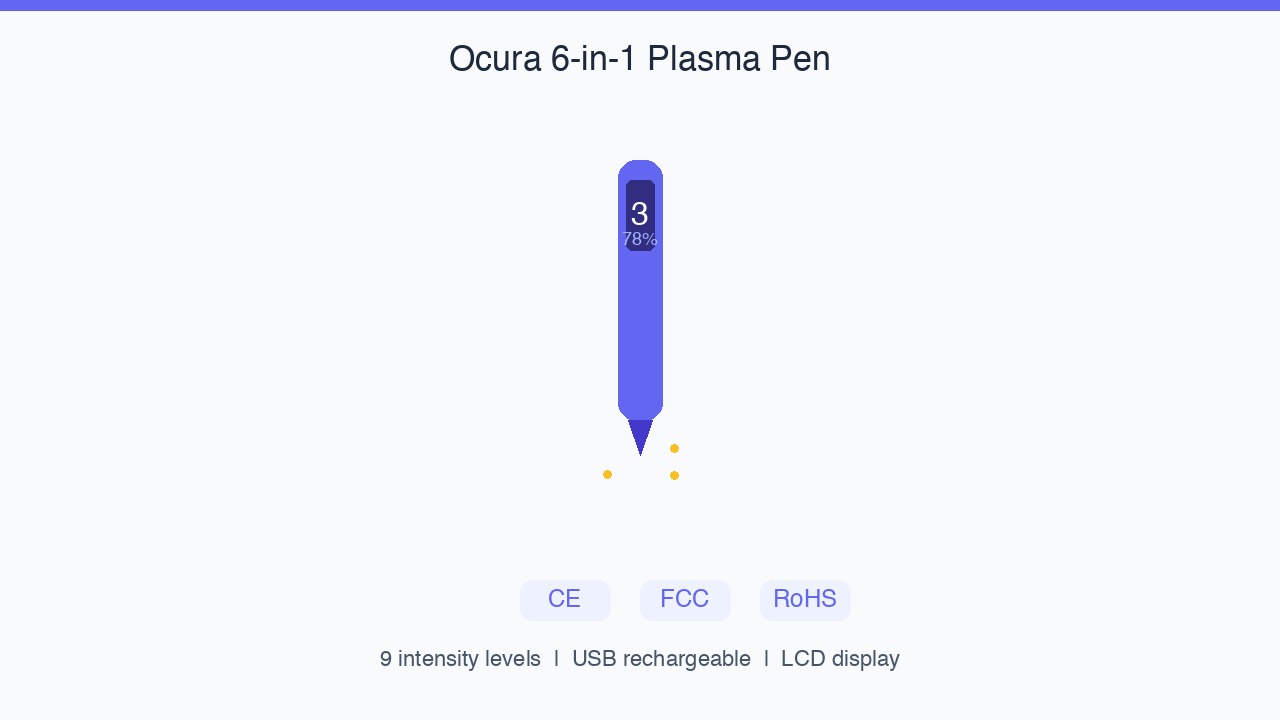
A plasma pen is a small handheld device that converts electrical energy into an ionized gas — plasma — via a metal tip that never directly touches the skin. The plasma arc creates a tiny flash of heat energy at the surface that rapidly dehydrates the targeted tissue.
For skin tags specifically, the mechanism is precise: the arc contacts the base of the tag, drying out the cells that keep it attached. Over the next three to seven days, the treated tissue forms a small scab, then naturally sheds away. The surrounding skin is largely unaffected because the arc is too small and fast to spread meaningful heat sideways.
This is the same principle used in professional fibroblast treatments — sometimes called “plasma lift” in clinics — but miniaturized into a rechargeable pen. The Ocura 6-in-1 Plasma Pen adds nine adjustable intensity levels and an LCD screen so you can see exactly what power setting you’re working at, which matters a lot when treating different-sized imperfections.
The device isn’t limited to skin tags. The same technology addresses cherry angiomas, milia, sebaceous hyperplasia, DPN (dermatosis papulosa nigra), age spots, and seborrheic keratosis — essentially any small, raised, benign skin imperfection at the surface level.
Plasma Pen vs. Dermatologist: Real Cost Comparison
Cryotherapy at a dermatologist’s office typically runs $150–$400 per session in the US, and insurance rarely covers cosmetic removal of skin tags. A single session might treat 5–10 tags. If you have more, you’re booking again.
An at-home plasma pen like the Ocura model costs $49.99. That’s a one-time purchase that can treat hundreds of imperfections over its lifetime — with proper care and following the instructions.
| Method | Cost per session | Treats how many? | Travel/Wait? |
|---|---|---|---|
| Dermatologist (cryo) | $150–$400 | 5–15 tags | Yes |
| At-home plasma pen | $49.99 one-time | Unlimited | No |
| Dental floss (ligation) | Near zero | 1 at a time | No |
| OTC tag removal patches | $10–$30 | 1 at a time | No |
The math is straightforward. The caveat is equally straightforward: at-home treatment requires reading the manual, doing a 24-hour patch test, and following aftercare — shortcuts here are the only way this goes wrong.
Who Should (and Should Not) Use a Plasma Pen for Skin Tags
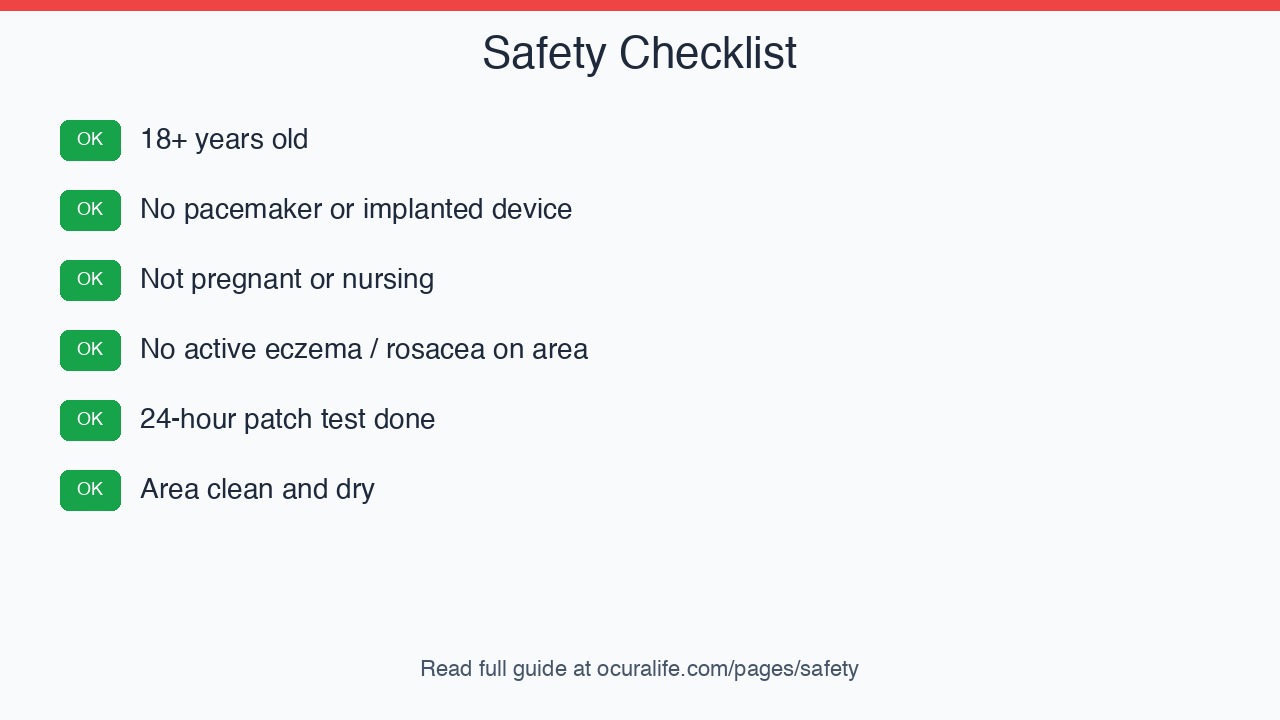
A plasma pen is a legitimate option for most healthy adults with benign, pedunculated (stalk-attached) skin tags. However, Ocuralife’s safety documentation is unusually specific about who should not use one:
Do not use if you:
– Are under 18 years old
– Are pregnant, nursing, or trying to conceive
– Have a pacemaker or implanted electronic device
– Have epilepsy or a history of seizures
– Have diabetes or poor circulation
– Are taking blood thinners, isotretinoin, or retinoids
– Have active keloid scarring or abnormal healing history
– Are immunocompromised or on immunosuppressive medication
– Have photosensitivity disorders or pigmentation conditions (melasma, vitiligo)
– Had a cosmetic procedure in the last six weeks
Do not treat:
– Eyelids, lips, or mucous membranes
– Areas with active acne, eczema, psoriasis, or rosacea
– Tattoos or recently tanned skin
– Any spot that has changed in size, color, or border (see a dermatologist first)
If none of these apply and your tags are clearly benign, you’re in the typical user profile.
What Results Actually Look Like: The Healing Timeline
This is where expectations need to be calibrated. The treatment itself takes seconds per tag. The visible results take longer:
- Day 0–1: Treated area looks slightly red, possibly a small dark dot forms
- Day 1–3: A small scab or crust develops — this is the dried tissue and is normal
- Day 3–7: Scab naturally sheds; underlying skin looks pink or slightly lighter
- Week 2–4: Skin tone normalizes; residual pinkness fades with SPF protection
The critical rule: do not pick the scab. The scab is protecting new skin underneath. Picking is the most common cause of scarring or hyperpigmentation.
SPF 50 sunscreen is essential for three months after treatment on the treated area. Sun exposure on healing skin is the second most common cause of discoloration.
For small skin tags treated correctly at a low intensity, Ocuralife’s customer data cites a 95% satisfaction rate across 28,000+ customers. The remaining cases are typically from untreated areas that needed a second pass, or aftercare that wasn’t followed closely.
How to Choose the Right Plasma Pen in 2026
The market is now flooded with no-name plasma pens from $15 to $200. Here’s what differentiates a reliable one:
Adjustable intensity: Nine levels matters. A $20 pen with 3 settings gives you no control for different skin types or tag sizes. Too high on thin neck skin is uncomfortable; too low on a thick fibroma accomplishes nothing.
LCD display: Lets you see your current level without guessing.
Certifications: Look for CE, FCC, and RoHS compliance. These certifications mean the electronics meet safety standards for electromagnetic interference and materials.
Clear safety documentation: A brand that publishes a full contraindications list is a brand that’s thought about the user. If the product page just says “works great, try it!” with zero caveats, that’s a red flag.
Warranty and return policy: Ocuralife offers a 1-year warranty and a 30-day money-back guarantee. That’s a real signal of confidence in the product.
For an in-depth look at the Ocura pen specifically — including the kit contents, settings guide, and what to realistically expect — see our Ocuralife review.
And if you’re ready to treat but want a proper step-by-step walkthrough of technique, see how to use a plasma pen safely at home.
Frequently Asked Questions
Does a plasma pen completely remove skin tags?
For most pedunculated (stalk-attached) skin tags, yes — one treatment is sufficient. Larger or thicker skin tags may need a second pass after the first treatment site fully heals (usually 4–6 weeks).
Does it hurt?
Most users describe a brief, sharp sensation like a static electricity snap. Applying numbing cream (like the one in Ocuralife’s bundle kit) 20–30 minutes before treatment significantly reduces discomfort.
Will it leave a scar?
If you follow the aftercare correctly — no picking, daily SPF, no sun exposure for four weeks — scarring is uncommon. The main risk is post-inflammatory hyperpigmentation (a dark spot where the tag was), which typically fades over two to three months with SPF 50.
Can I use it near my eyes?
Do not treat eyelids or the area immediately around the eye socket. The skin there is too thin and the proximity to the eye is too risky. A dermatologist is the right choice for periorbital skin tags.
How many treatments does one pen do?
The Ocura pen’s needles should be replaced periodically (Ocuralife sells replacement tip sets). The device itself, with proper care, is designed for long-term use.
Is it safe for darker skin tones?
People with deeper skin tones are at higher risk of post-inflammatory hyperpigmentation (PIH) after any skin procedure, including plasma treatment. Starting at the lowest intensity, doing a small patch test in a hidden area first, and being very diligent with SPF aftercare reduces — but doesn’t eliminate — this risk. If in doubt, consult a dermatologist with experience treating your skin tone.
What’s the difference between the Ocura pen and a professional fibroblast treatment?
The technology is the same. A licensed professional has more experience calibrating settings for different skin conditions and can treat higher-risk areas. For straightforward, benign skin tags on low-risk body areas (neck, torso, underarms), the at-home device performs comparably — for roughly 1% of the clinic cost.
Affiliate disclosure: This article contains affiliate links. We may earn a commission at no extra cost to you if you purchase through our links. We only recommend products we’ve researched thoroughly.
Recommended for you
 Best Ceramide Moisturizer Under $30: K-Beauty Picks That Outperform Luxury Brands
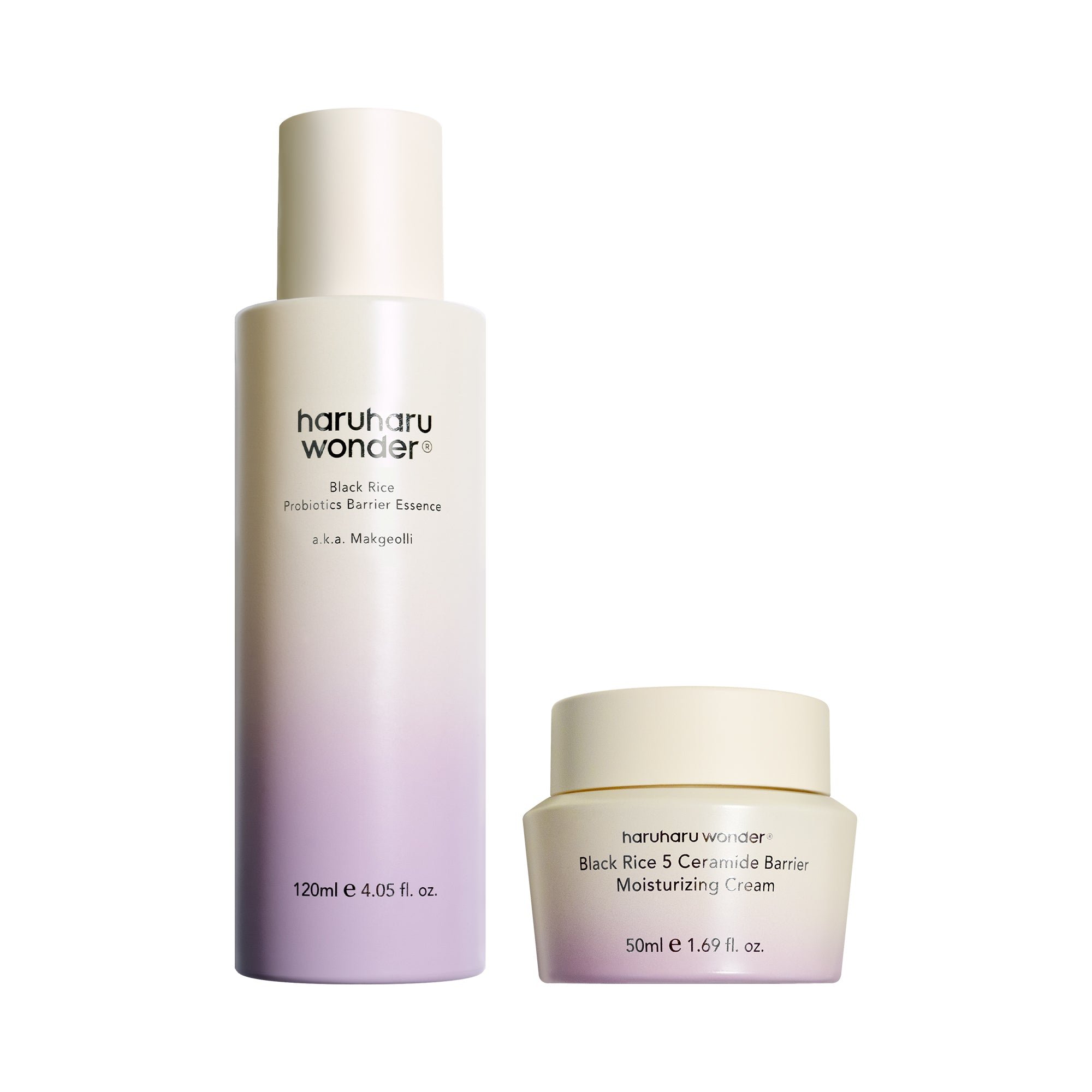 Haruharu Wonder Review: The K-Beauty Brand That Strips Skincare Back to Basics
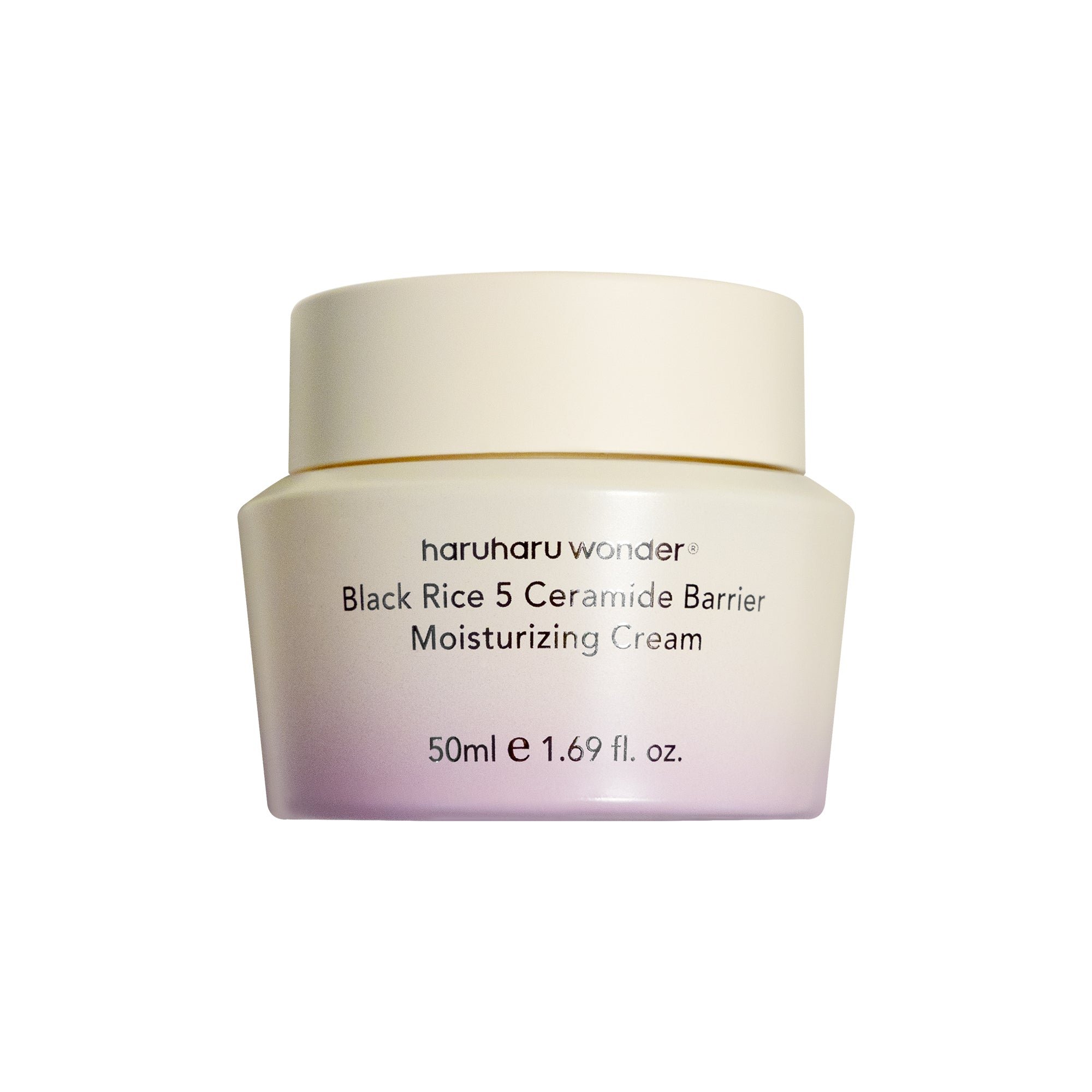 Haruharu Wonder Ceramide Cream Review: K-Beauty’s Best $24 Pick?
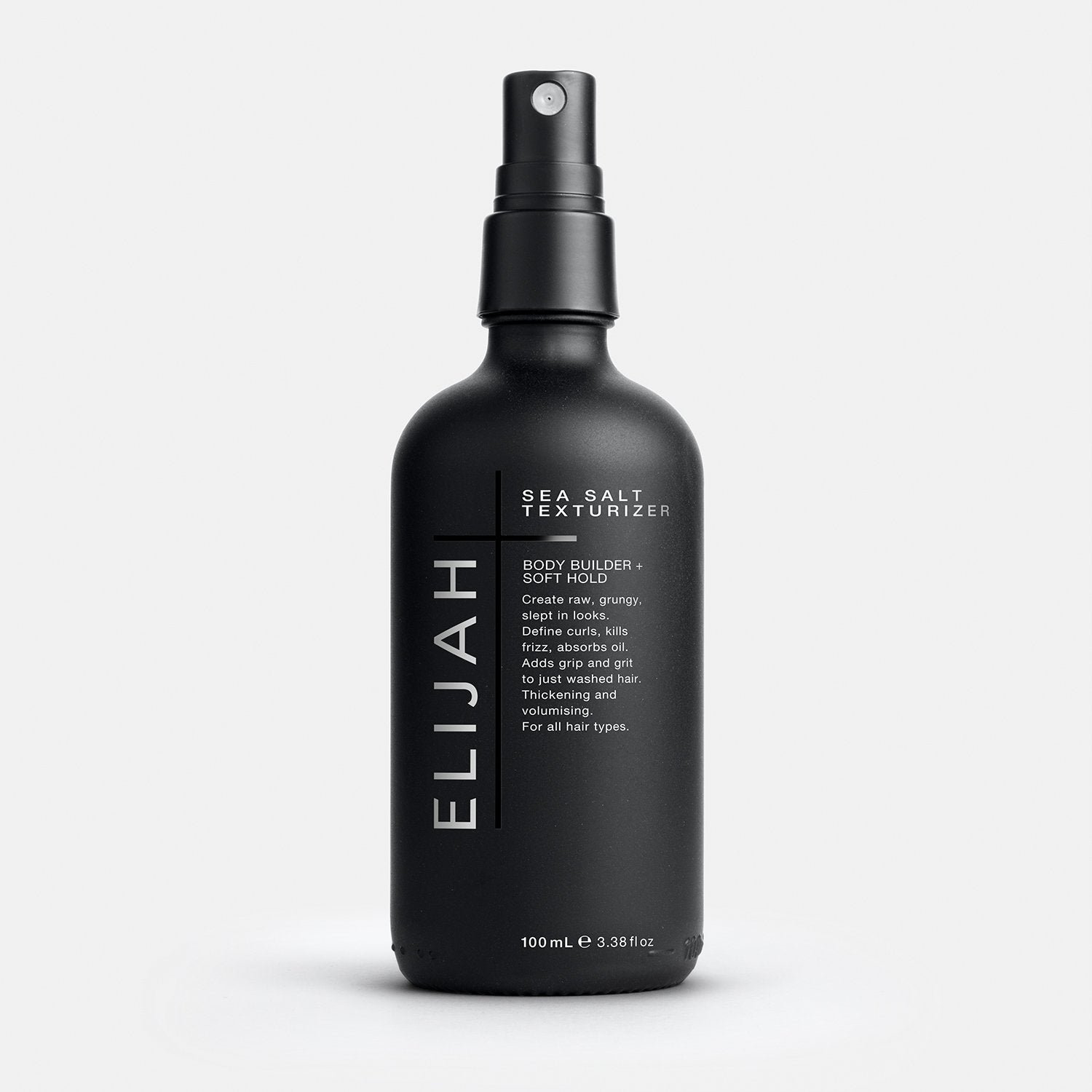 Best Men’s Hair Clay 2026: Which Formulas Actually Hold Without Crunch?
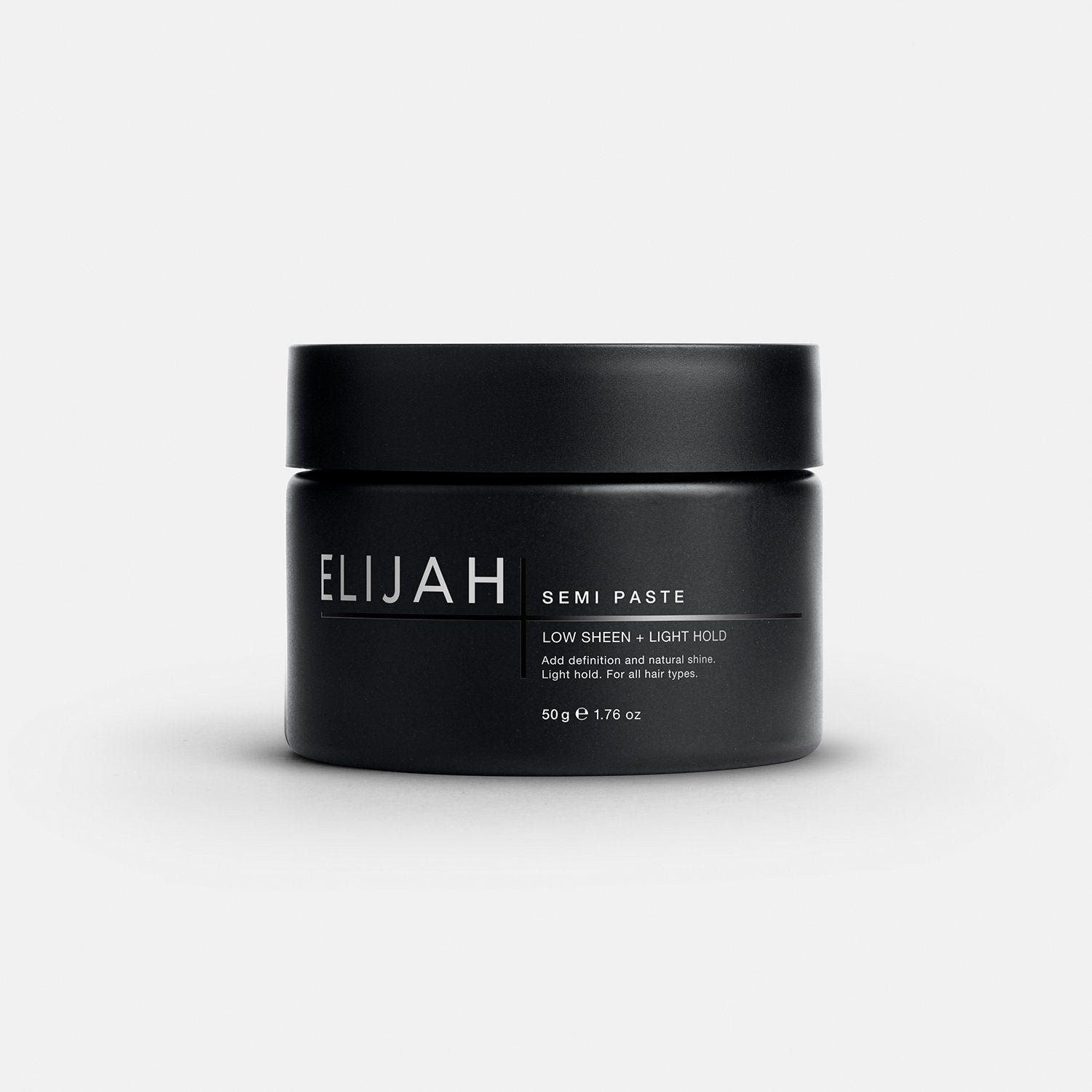 Who Is Elijah Matt Clay: Is This Barber-Origin Formula Worth 28 Euros?
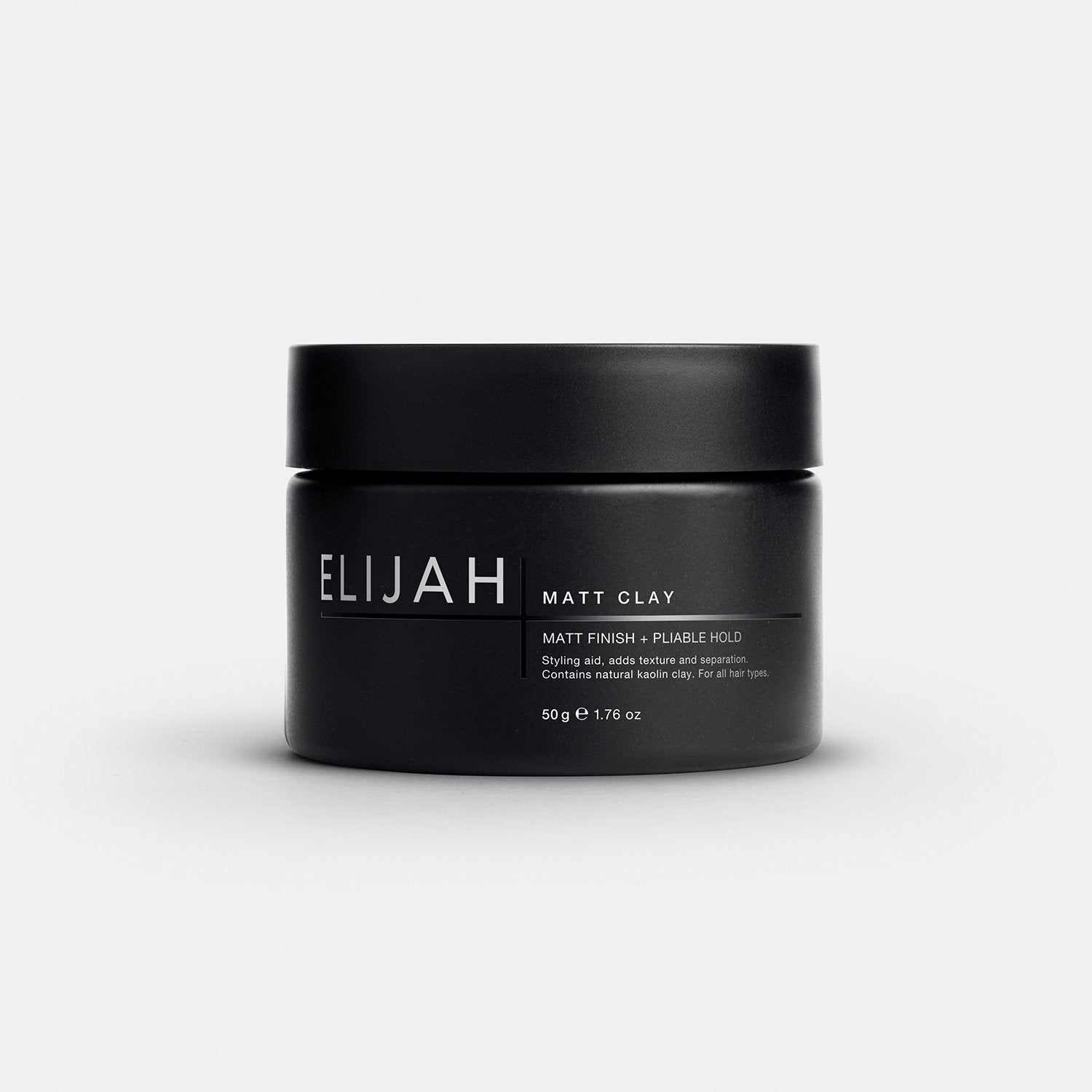 Who Is Elijah Review: The Best Matt Clay and Cologne for Men 2026